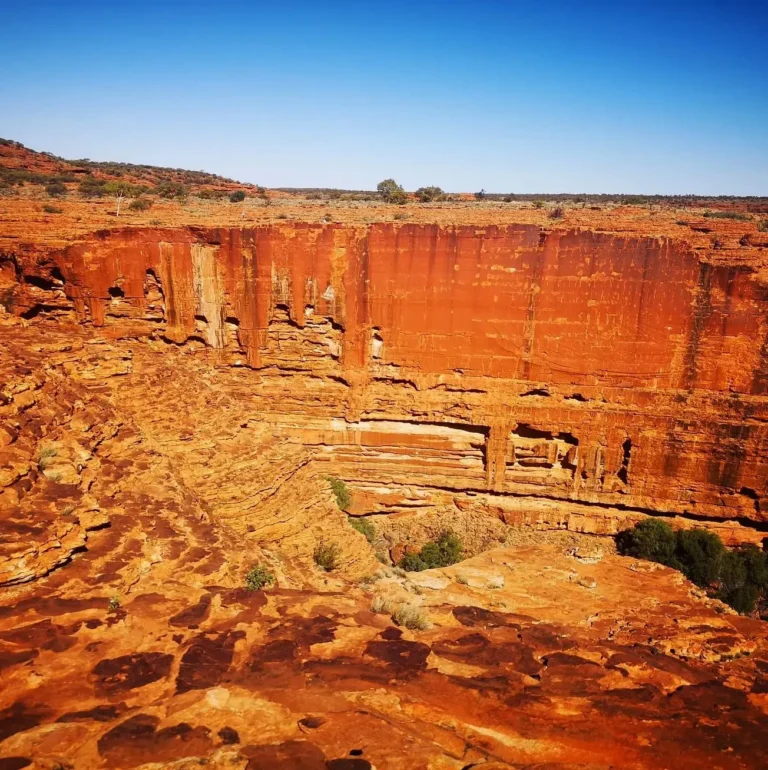
Lake Amadeus, a massive salt lake in the middle of Australia, is a natural wonder full of history and geology. Located in the Northern Territory, this amazing lake gives us a glimpse into Australia’s past. Here are ten things you didn’t know about Lake Amadeus:
1. It’s Australia’s Biggest Salt Lake

180 km long and 10 km wide, Lake Amadeus is Australia’s biggest salt lake. Its sheer size reflects in the sun and looks like another planet. The lake is an important part of the central Australian landscape, showing us the region’s geological past.
2. Part of a Salt Network

Lake Amadeus is part of a network of salt lakes in central Australia. During heavy rain, the lake connects to the Finke River system, showing us the region’s hydrology with plenty of water flowing through the landscape. Visitors often visit this network as part of an Uluru tour.
3. Named After a European King

The lake was named by explorer Ernest Giles in 1872 after King Amadeus of Spain. Despite the European name, the lake is of great cultural significance to the local Aboriginal people, particularly the Anangu, who have a strong spiritual connection to the area.
4. Sacred to the Anangu People

For the Anangu people, the traditional owners of the land, Lake Amadeus is a sacred site. It features in their Dreamtime stories and is of great spiritual and cultural significance. The area also has ancient rock art that gives us a glimpse into the traditions and history of the Indigenous people.
5. Natural Wonder

The salt crust changes colour depending on the time of day and weather. From white in the midday sun to pinks and oranges at sunrise and sunset, Lake Amadeus is amazing. Sunset viewing or finding a sunset spot near the lake is a must-do for visitors.
6. Mostly Dry Lake

Amadeus is mostly a dry lake bed. Water only appears after heavy rain. The salt crust is the result of millions of years of evaporation of saline groundwater leaving behind unique rock formations that tell the story of the lake’s geological history.
7. Tough Country for Explorers
The salt crust is deceiving. Soft mud lies beneath. Early European explorers struggled to cross the treacherous surface, which could trap unsuspecting travellers. Modern-day adventurers often visit the lake as part of a motorhome tour or as part of an Uluru tour. Many Uluru tours also offer the opportunity to learn about the cultural and geological significance of the surrounding landscape, including Lake Amadeus. The sand dunes and nearby sunrise dune viewing area add to the appeal of visiting this amazing place.
8. Not for Salt Production
Despite having salt deposits, Lake Amadeus is not suitable for salt production due to its isolation and environmental protection. The water is quiet and the sand dunes are untouched and pristine, so the lake will remain as is for future generations.
9. A Home for Unique Wildlife
While the lake itself is not habitable for most life, the surrounding area has diverse flora and fauna. You may see red kangaroos, dingoes and various bird species in the area, especially near a sunrise dune viewing area. The cattle stations in the region also play a part in the ecosystem, showing a balance of natural beauty and human activity.
10. A Photographer’s Heaven
Lake Amadeus is a photographer’s dream. The endless horizon, contrasting colours and reflective salt crust make for some amazing shots. Visitors can spend a full day from sunrise to sunset, then dinner or food at nearby caravan parks. The rock details and quiet water views are endless for making memories.
FAQ
Where is Lake Amadeus located?
Lake Amadeus is located in the Northern Territory of Australia, 50km north of Uluru. It’s a common stop on an Uluru tour.
2. Can I visit Lake Amadeus?
Yes, but access is restricted as the lake is in a remote and protected area. Visitors are encouraged to join guided tours to visit the area responsibly, often including motorhome or caravan park stays. Many tours include sunrise dune viewing areas and sunset lookouts.
Why is Lake Amadeus important to Indigenous Australians?
Lake Amadeus is a sacred site for the Anangu people and is featured in their Dreamtime stories, representing their deep connection to the land. The area also has rock art and other cultural sites, showing the history of Aboriginal people.
Is Lake Amadeus wet?
Lake Amadeus is dry most of the time and only gets water after heavy rain. The surface is covered in a thick salt crust, which makes for the rock details and quiet water views.
What wildlife is near Lake Amadeus?
The surrounding area of Lake Amadeus has red kangaroos, dingoes and various bird species. The sand dunes and other natural features make it a great spot for wildlife and landscape lovers. The nearby cattle stations show the balance of human activity and the natural environment.