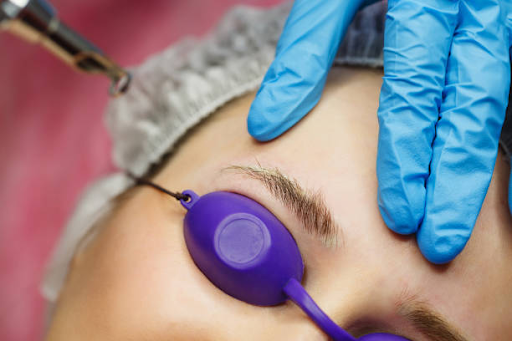
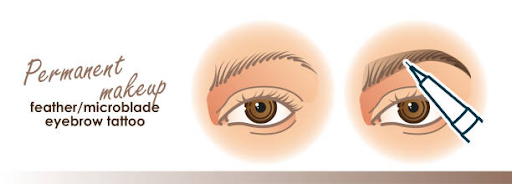
In today’s beauty-driven world, eyebrow tattoos, often referred to as microblading or semi-permanent makeup, have become a popular choice for many. They offer a hassle-free solution to achieving the perfect brow shape without the daily ritual of filling and shaping. But what happens when the trend fades, or you’re no longer satisfied with the look? Enter laser eyebrow tattoo removal, a procedure that promises to erase those once-loved tattoos. But, like any procedure, it comes with its own set of challenges, primarily the healing process. This guide aims to shed light on what laser eyebrow tattoo removal entails and what one can expect during the healing journey.
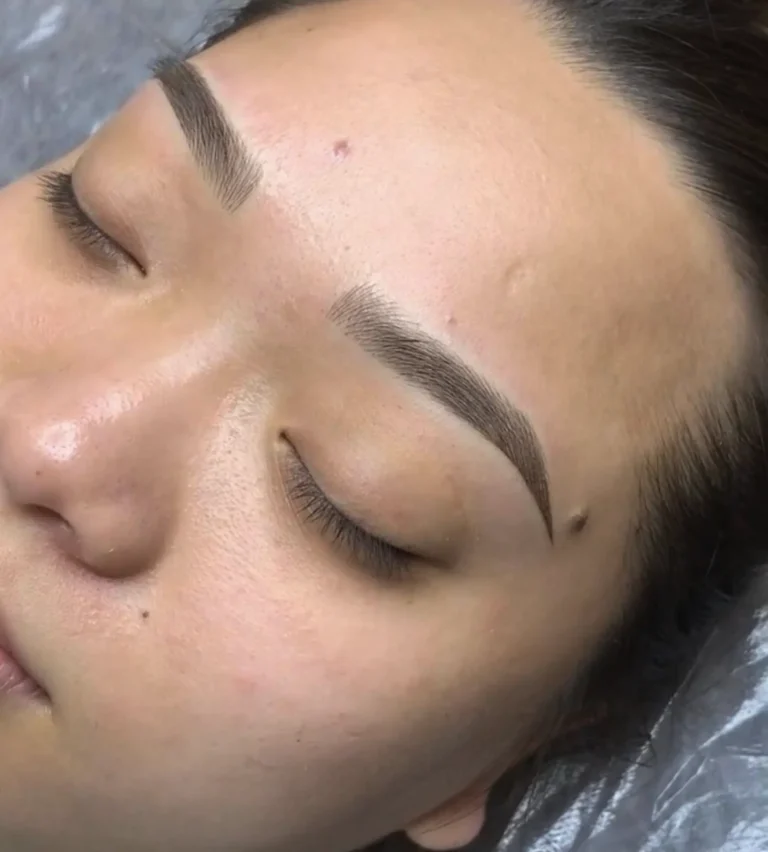
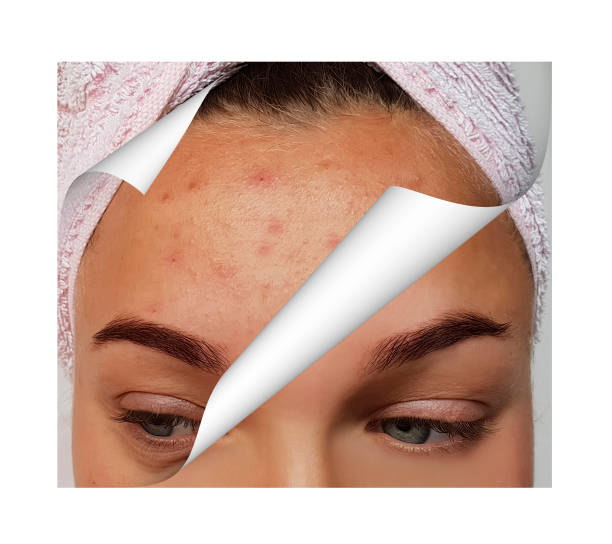
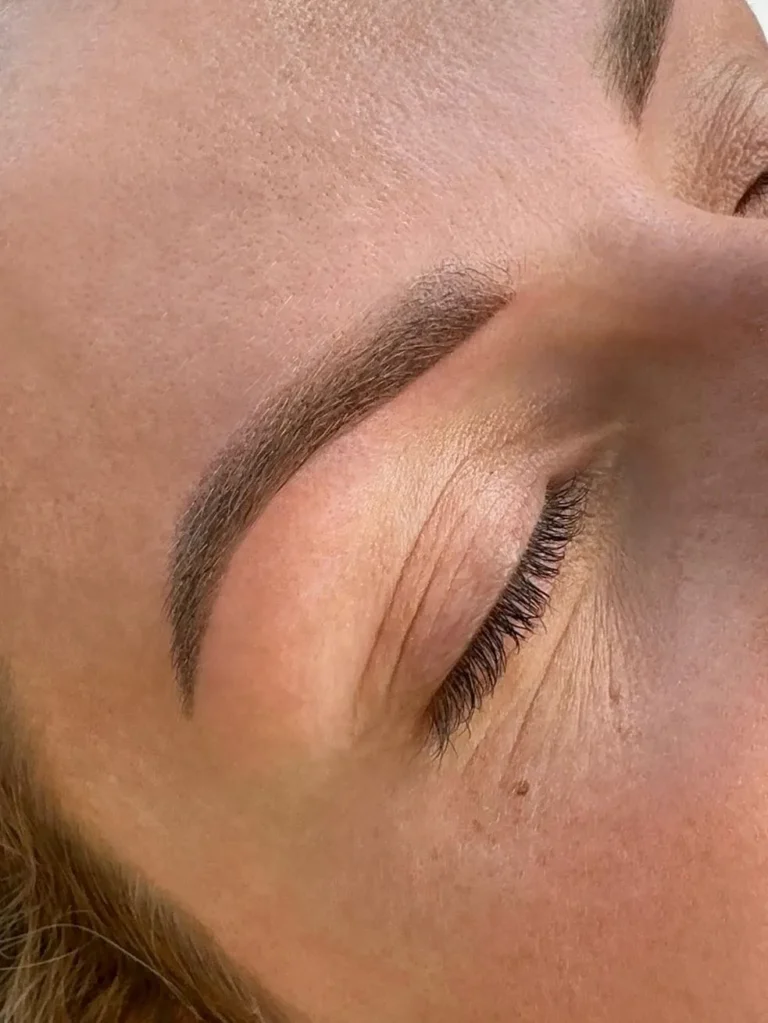
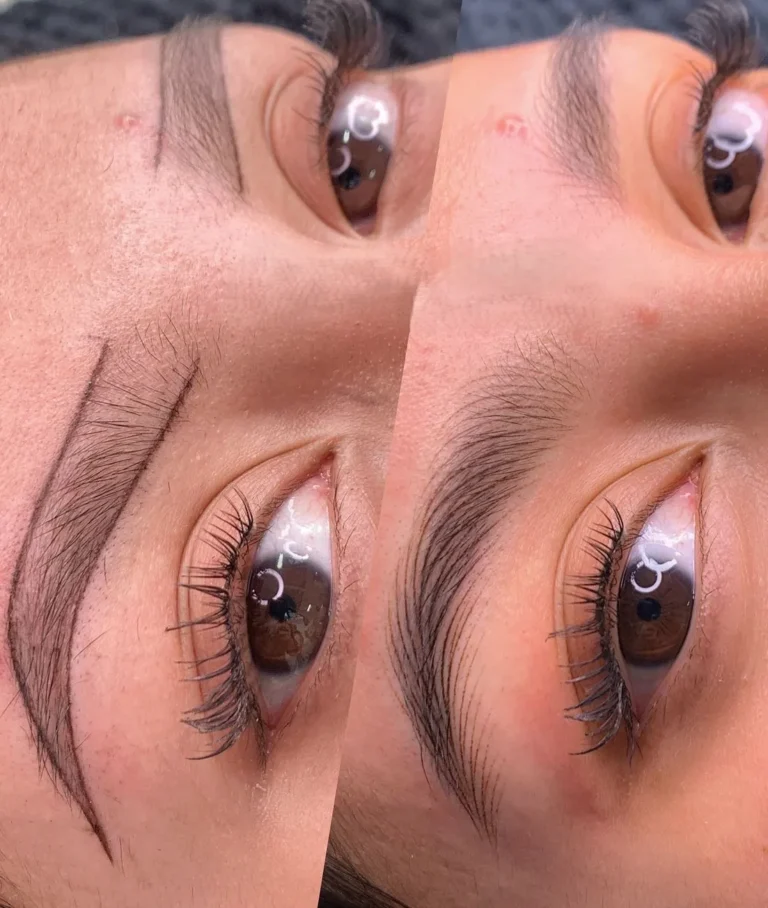
Eyebrow tattoo removal before after


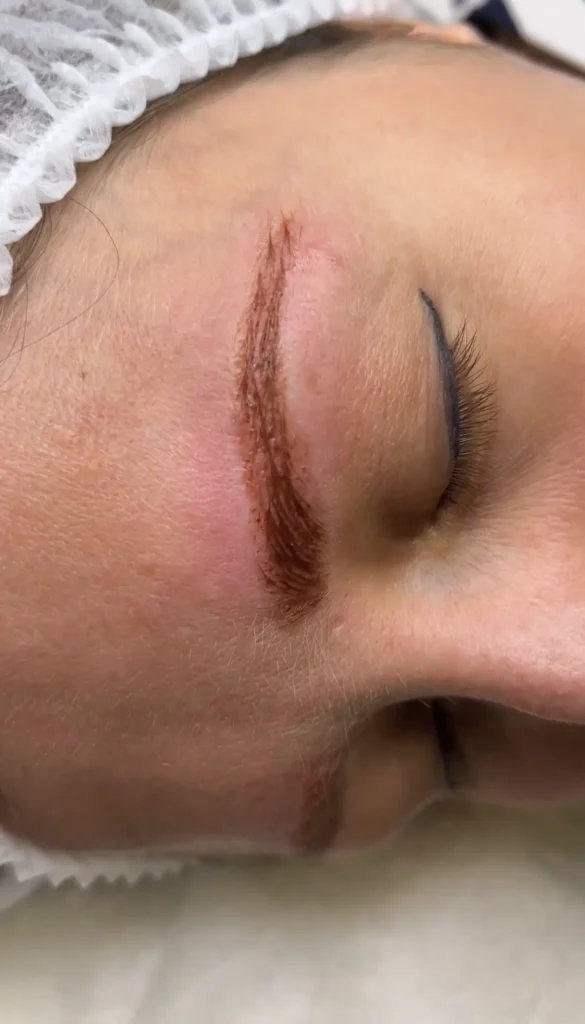
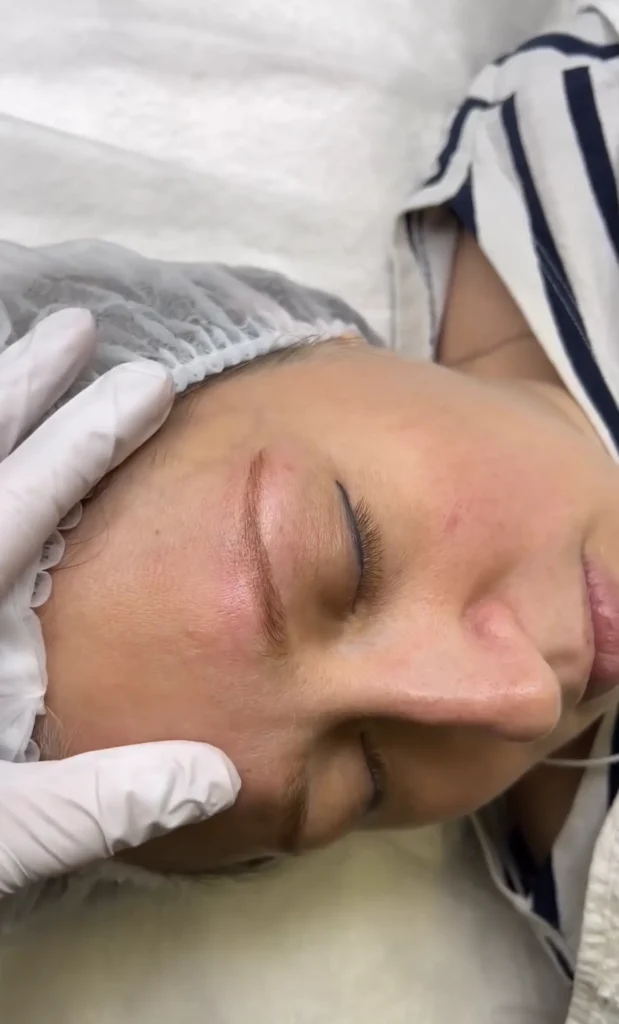
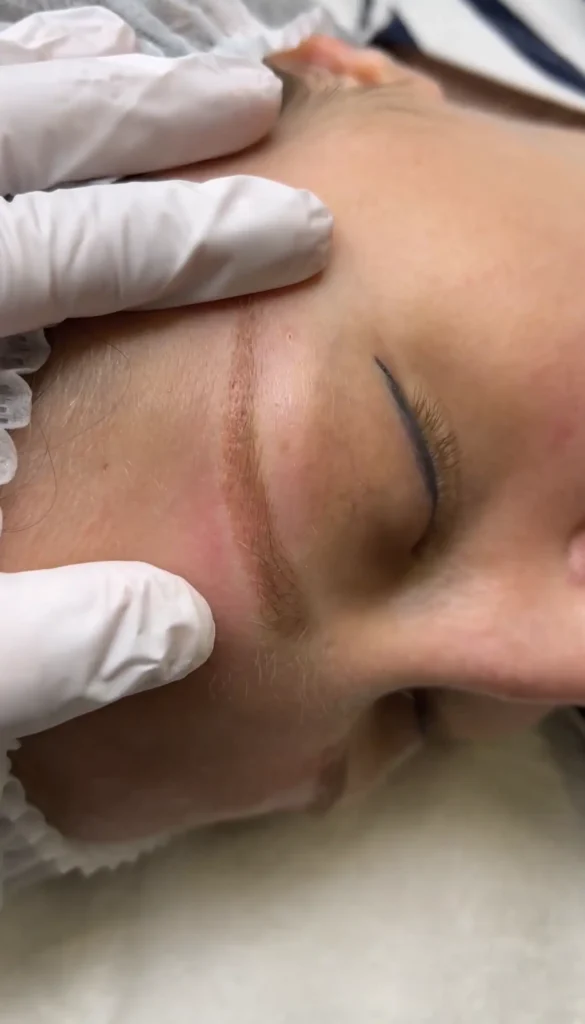
What is Laser Eyebrow Tattoo Removal?
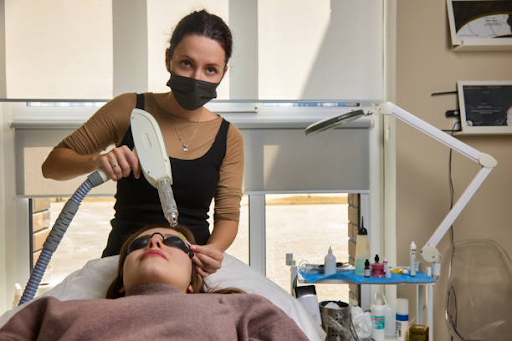
Laser eyebrow tattoo removal is a cutting-edge procedure that employs laser technology to break down the pigment particles of the tattoo. Remember that time you tried to remove a stubborn stain from your favorite shirt? Think of the tattoo as that stain, and the laser as a high-tech detergent. The laser targets the ink particles, breaking them down into smaller fragments. Over time, the body’s natural processes flush these fragments out, leading to the fading of the tattoo.
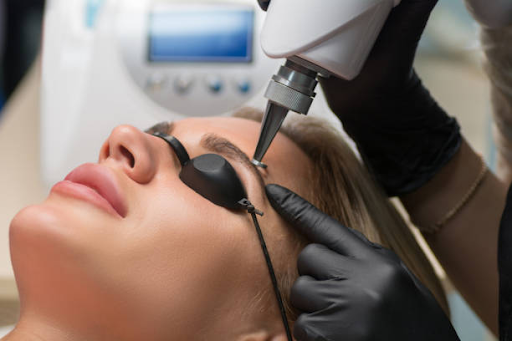
The beauty of this procedure lies in its precision. Unlike other tattoo removal methods, lasers can be calibrated to target specific pigment colors, ensuring minimal damage to the surrounding skin. It’s like using a fine-tipped brush in a world of broad strokes. This precision ensures that only the tattooed area is affected, leaving the surrounding skin largely untouched.
Why Choose Laser Removal?
There are several methods available for eyebrow tattoo removal, from dermabrasion to surgical excision. So, why opt for laser? For starters, laser removal is non-invasive. Imagine being able to wave goodbye to that unwanted tattoo without the need for cuts or abrasions. Sounds dreamy, right?
Moreover, laser treatments offer a higher success rate compared to other methods. The advanced technology ensures that even deep-set, stubborn inks can be targeted and broken down. Ever tried scrubbing away at a decade-old stain? Some tattoos, especially those that have been on the skin for a long time, can be just as stubborn. But with lasers, even these old tattoos stand little chance.
Additionally, the risk of scarring is significantly reduced with laser treatments. While no procedure is entirely without risks, the non-invasive nature of lasers means there’s no cutting, and hence, less chance of scars. It’s akin to erasing a pencil mark with a high-quality eraser versus trying to scratch it off with your nails.
Lastly, the healing process, while requiring care, is generally more straightforward with lasers. There’s no wound to stitch up or dress; it’s all about taking care of the treated area and letting the body do its magic. Think of it as giving your skin the time and tools it needs to repaint a canvas, creating a fresh, clean slate.
The Laser Removal Process
Pre-Procedure Preparations
| Step | Description |
|---|---|
| Consultation | Before diving into the procedure, it’s crucial to have a detailed consultation with a certified dermatologist or laser technician. This step is akin to laying the foundation for a house. The expert will assess the tattoo’s age, size, depth, and color to determine the number of sessions required and the type of laser to be used. They’ll also evaluate your skin type and any potential risks or complications. |
| Preparing the Area | Once you’ve decided to go ahead with the procedure, there are a few preparatory steps to ensure the skin is in optimal condition. Think of this as prepping a canvas before painting. First, avoid sun exposure or tanning beds for at least 4-6 weeks before the procedure. Sunburned or tanned skin can be more susceptible to damage. Next, keep the area clean and moisturized. If you’ve been using any retinoid creams, it’s advisable to stop them a week before the procedure. Lastly, avoid any blood-thinning medications or supplements like aspirin, as they can increase the risk of bruising. |
During the Procedure
The Laser Technology
Laser technology has come a long way in ensuring the effective and safe removal of tattoos. Here’s a breakdown of how the technology works:
- Type of Laser: The most commonly used lasers for tattoo removal are Q-switched lasers. These lasers produce short pulses of intense light that target the tattoo’s pigment without harming the surrounding skin.
- Wavelength Selection: Different colors of tattoo ink absorb different wavelengths of light. Therefore, the laser technician will select a specific wavelength based on the color of your tattoo. For instance:
- Black and dark blue inks absorb all laser wavelengths, making them the easiest to treat.
- Green and yellow inks are trickier and might require a different laser type or specific wavelength.
- Pulse Duration: The laser’s pulse duration is tailored to the tattoo’s pigment size. Shorter pulses target smaller pigments, while longer pulses are for larger pigments. It’s like choosing the right tool for a specific task.
Pain Management
The sensation during a laser tattoo removal procedure is often likened to the snap of a rubber band against the skin. While not unbearable, it can be uncomfortable for some. Here’s how pain is typically managed:
- Topical Anesthetics: Before the procedure, a numbing cream can be applied to the area. This acts as a local anesthetic, reducing the sensation during the treatment. It’s like putting on a protective glove before handling something hot.
- Cooling Devices: Some clinics use cooling devices that blow cold air on the skin during the procedure. This not only helps in reducing pain but also minimizes the risk of thermal injury.
- Over-the-counter Pain Relievers: Post-procedure, you might experience some discomfort. Over-the-counter pain relievers, like ibuprofen, can be taken to alleviate this. However, always consult with your technician or doctor before taking any medication.
Post-Procedure Care
After the laser does its job, the real work begins with the body’s healing process. Proper aftercare is crucial to ensure optimal results and reduce the risk of complications.
- Immediate Aftercare:
- Cooling the Area: Just like you’d ice a sprained ankle, it’s essential to cool the treated area immediately after the procedure. This helps reduce swelling and discomfort.
- Avoid Sun Exposure: The treated skin will be sensitive. Protect it from direct sunlight to prevent any further damage or discoloration.
- Keep it Clean: Gently clean the area with soap and water, patting it dry. Avoid rubbing or scratching.
- Long-Term Healing:
- Moisturize: Keeping the skin moisturized aids in the healing process. Use a recommended ointment or lotion.
- Avoid Swimming: Chlorinated water can irritate the treated area. It’s best to avoid swimming pools or hot tubs for a few weeks.
- Wear Sunscreen: Once the initial healing phase is over, always apply sunscreen to the area when exposed to the sun. This helps in preventing discoloration.
- Monitoring for Complications:
- Blistering: Some blistering is normal after the procedure. However, if it’s excessive or gets infected, consult your technician or doctor.
- Changes in Skin Texture: If you notice any unusual roughness or bumps, it’s essential to get it checked.
- Discoloration: Some temporary discoloration is expected. But if it persists or looks unusual, seek medical advice.
Risks and Complications
Every medical procedure, no matter how non-invasive, comes with its set of potential risks and complications. Laser eyebrow tattoo removal is no exception. While the technology is advanced and the process is generally safe, it’s essential to be aware of potential side effects.
Common Side Effects
After the procedure, it’s not uncommon to experience some redness, swelling, and tenderness in the treated area. This is the body’s natural response to the trauma caused by the laser. Some people might also experience blistering, which, while alarming, is a typical part of the healing process. These blisters protect the skin from the environment, allowing it to heal underneath.
Another common side effect is hyperpigmentation or hypopigmentation. This means the treated skin might become either darker (hyperpigmentation) or lighter (hypopigmentation) than the surrounding skin. In most cases, this change in skin color is temporary and fades over time.
How to Mitigate Risks
The key to minimizing risks is to follow the post-procedure care guidelines provided by the technician or doctor. Keeping the area clean, avoiding sun exposure, and refraining from picking at scabs or blisters can go a long way in ensuring a smooth recovery.
Moreover, always ensure that you’re getting the procedure done by a certified and experienced professional. Proper calibration of the laser and an understanding of the skin’s response can significantly reduce the chances of complications.
Overall
Laser eyebrow tattoo and Microblading removal offers a promising solution for those looking to erase past decisions. While the journey involves multiple sessions and a fair bit of aftercare, the results can be worth the effort. By understanding the process, potential risks, and ensuring proper care, you can navigate this journey with confidence. Remember, it’s not just about erasing a tattoo; it’s about giving your skin a fresh start.
FAQs
- How many sessions will I need for complete tattoo removal?
The number of sessions varies based on the tattoo’s size, color, age, and ink depth. On average, most people require 3-10 sessions. - Is the procedure painful?
While there’s some discomfort, most people compare it to the snap of a rubber band against the skin. Pain management techniques are used to make the process more comfortable. - Will there be any scarring?
Laser tattoo removal is designed to be non-invasive, reducing the risk of scarring. However, following aftercare instructions is crucial to prevent any complications. - How long should I wait between sessions?
It’s typically recommended to wait 6-8 weeks between sessions. This gives the skin ample time to heal and the body to flush out the broken-down ink particles. - Can I get a new tattoo in the same area after removal?
Yes, once the skin has fully healed, you can get a new tattoo in the same area. However, it’s essential to wait until the skin’s texture and color have returned to normal.