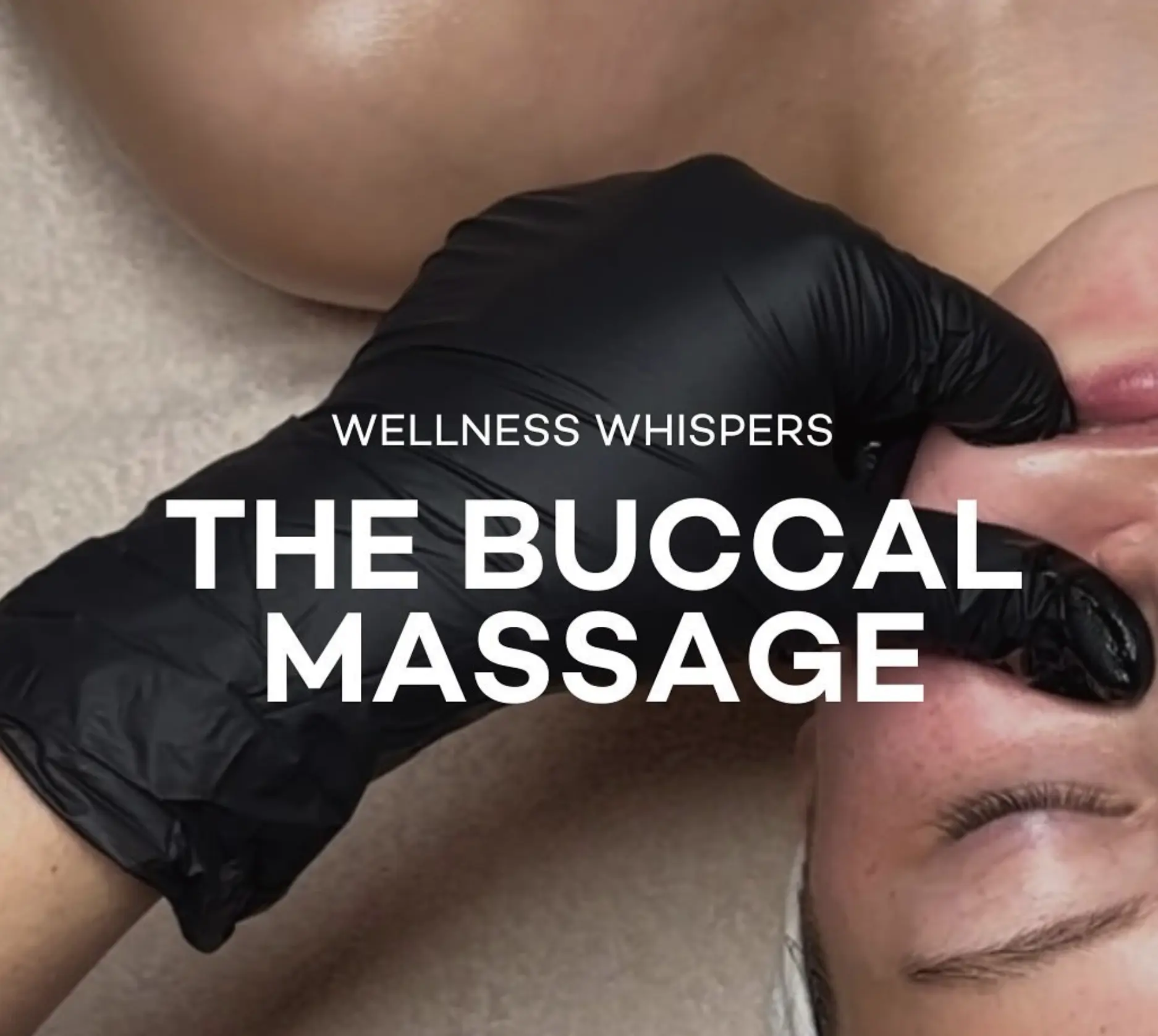
The question “Is buccal massage good for TMJ?” pops up in my treatment room more often than you’d think – I’ve seen it come up a lot in clients who’ve been clenching through stress, or grinding their teeth at night, or feeling their facial muscles tighten up under pressure. When the temporomandibular joint becomes inflamed due to jaw clenching, hormonal shifts, or even after a trip to the dentist, it’s no wonder people seek relief. As someone who’s spent nearly 20 years working with people who have muscle tension, I’ve seen firsthand just how much TMJ dysfunction can affect your comfort, your sleep and your confidence in your own skin.
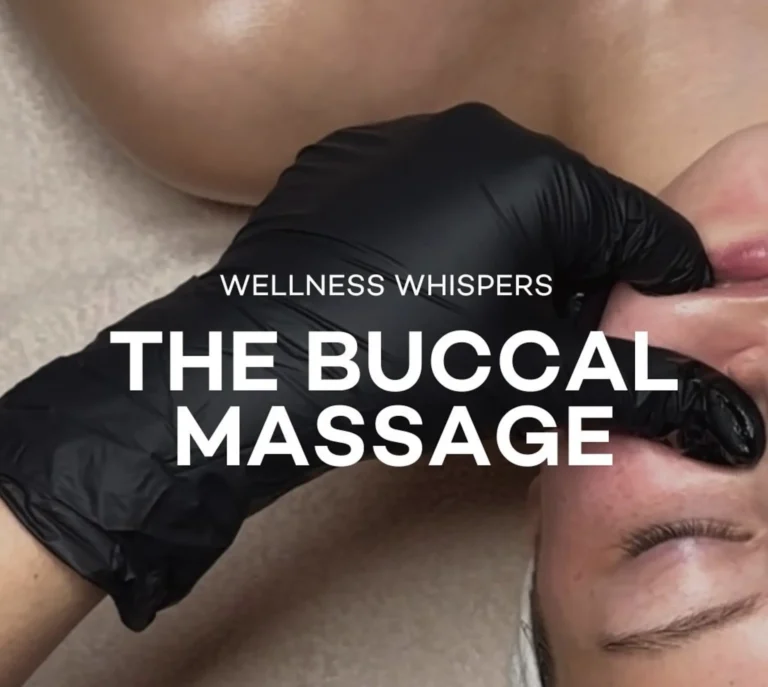
Buccal massage – that inside-the-cheek technique that targets those deeper face muscles- is getting a lot of attention here in Brisbane right now. Yes, it can help with jaw pain, but only if performed correctly, with proper hygiene, and with realistic expectations.
Does Buccal Massage Actually Help With TMJ?
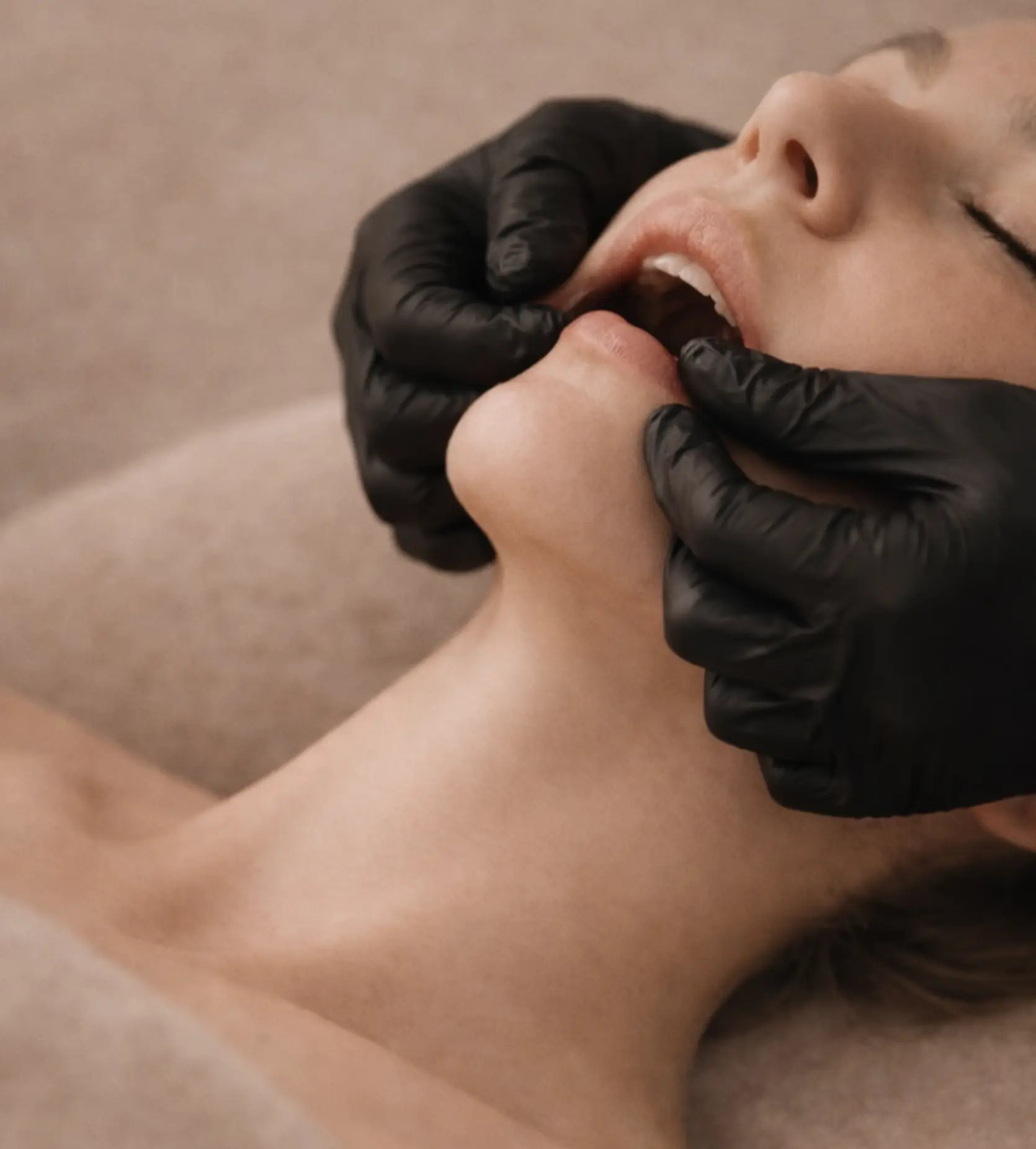
Buccal massage can help reduce symptoms associated with TMJ disorder, such as clenching, discomfort, facial tightness, and restricted jaw movement. By targeting the overworked masseter and pterygoid muscles and the surrounding fascia, we can help the body release built-up tension.
I find that most of my clients describe it as a feeling of “letting go” – that kind of deep muscle relaxation that you just don’t get from a simple facial massage. Clinically, this aligns with our understanding of soft-tissue work, trigger point therapy, and pressure point therapy in the cheek.
How Internal Facial Work Eases Jaw Tension
Buccal massage goes where standard sculpting or gua sha simply won’t reach – treating both the outside and inside of the cheek muscles lets us soften up those adhesions, reduce puffiness and improve facial movement.
Here in Brisbane, where humidity and stress can trigger teeth grinding and tension headaches, doing work inside the mouth can be a real game-changer. I’ve got many clients who grind or clench at night, often without even realising it, and they experience immediate relief once that deep connective tissue finally lets go. When I perform buccal massage at The Facial Hub, it’s all about precise work that safely and effectively releases tension.
What’s Happening Inside The Cheek
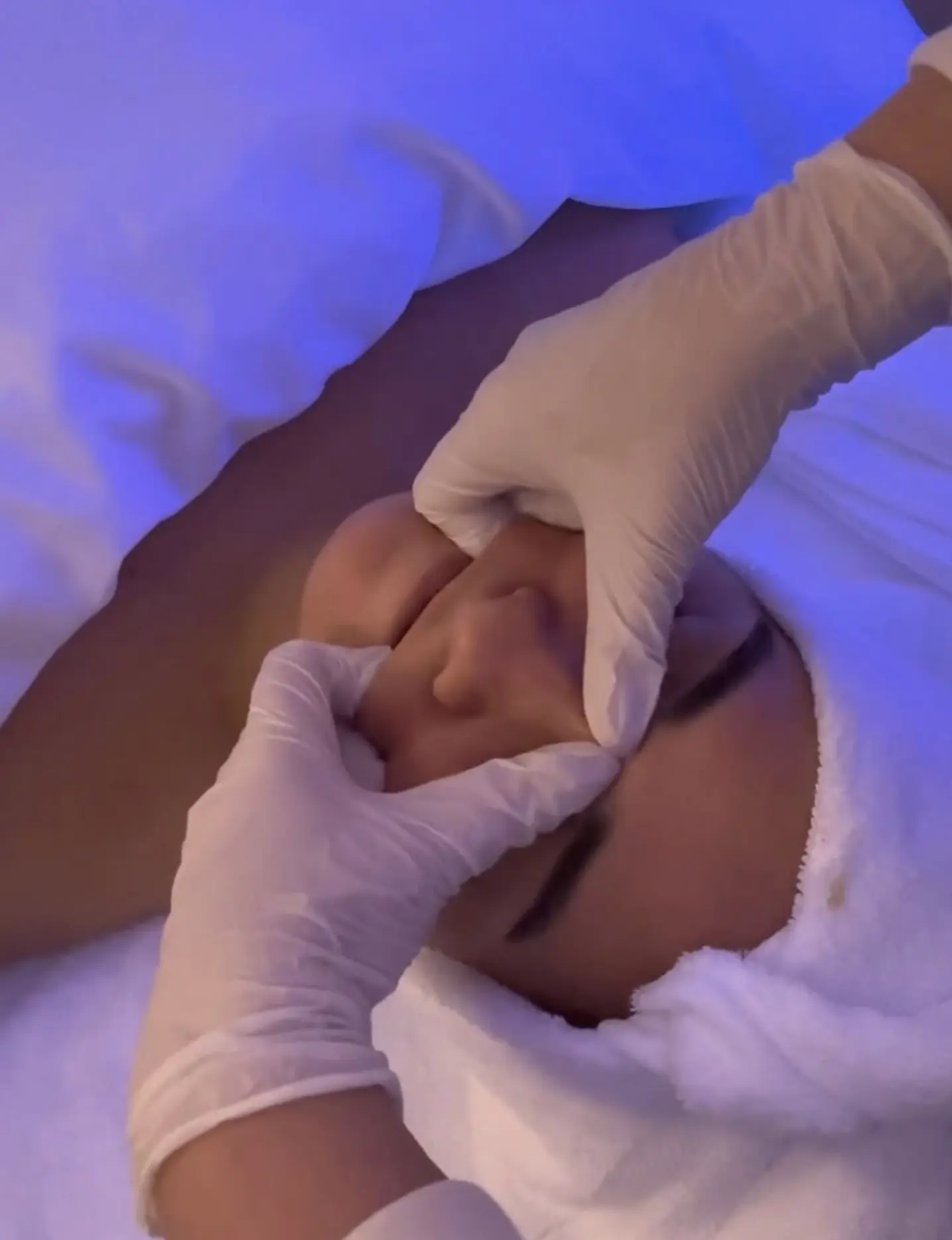
When you go in for a treatment with intraoral work using your therapist’s gloved fingers at a clean, sanitised massage table:
- The internal pterygoid muscles relax and function properly again, making chewing easier and reducing pressure.
- The lymphatic drainage system is activated, helping clear up puffiness caused by sinus pressure and tension.
- Increased blood flow supports recovery and improves skin texture along your cheeks and jawline.
This is why intraoral work sits at the crossroads of holistic therapy, structural release, and modern aesthetic therapies.
TMJ Symptoms That Respond Best to Intraoral Work
Some symptoms of TMJ respond really well to jaw and facial work – especially the ones caused by just plain old tense muscles as opposed to actual problems with the teeth.
Symptoms that tend to go away quickly are:
- That constant feeling of tension in your jaw from clenching your teeth
- Folds around your mouth and cheeks, starting to soften
- Headaches that are just a side effect of really tight jaw muscles
- Facial asymmetry from having overactive masseter muscles, getting a workout
- Struggling to open your mouth or just feeling pretty stiff
- This pesky pressure near your lymph nodes or your ear
Symptoms that don’t respond as well to treatment are the ones linked to actual problems with the bone structure, or long-term arthritis, or even if you’ve had some pretty extensive cosmetic dentistry work.
What Happens in an Intraoral TMJ Session
Not every therapist is the same, but this is my general approach:
- Getting the muscles warm through outdoor sculpting to loosen them.
- I apply gentle pressure points on the lower face to relieve tension.
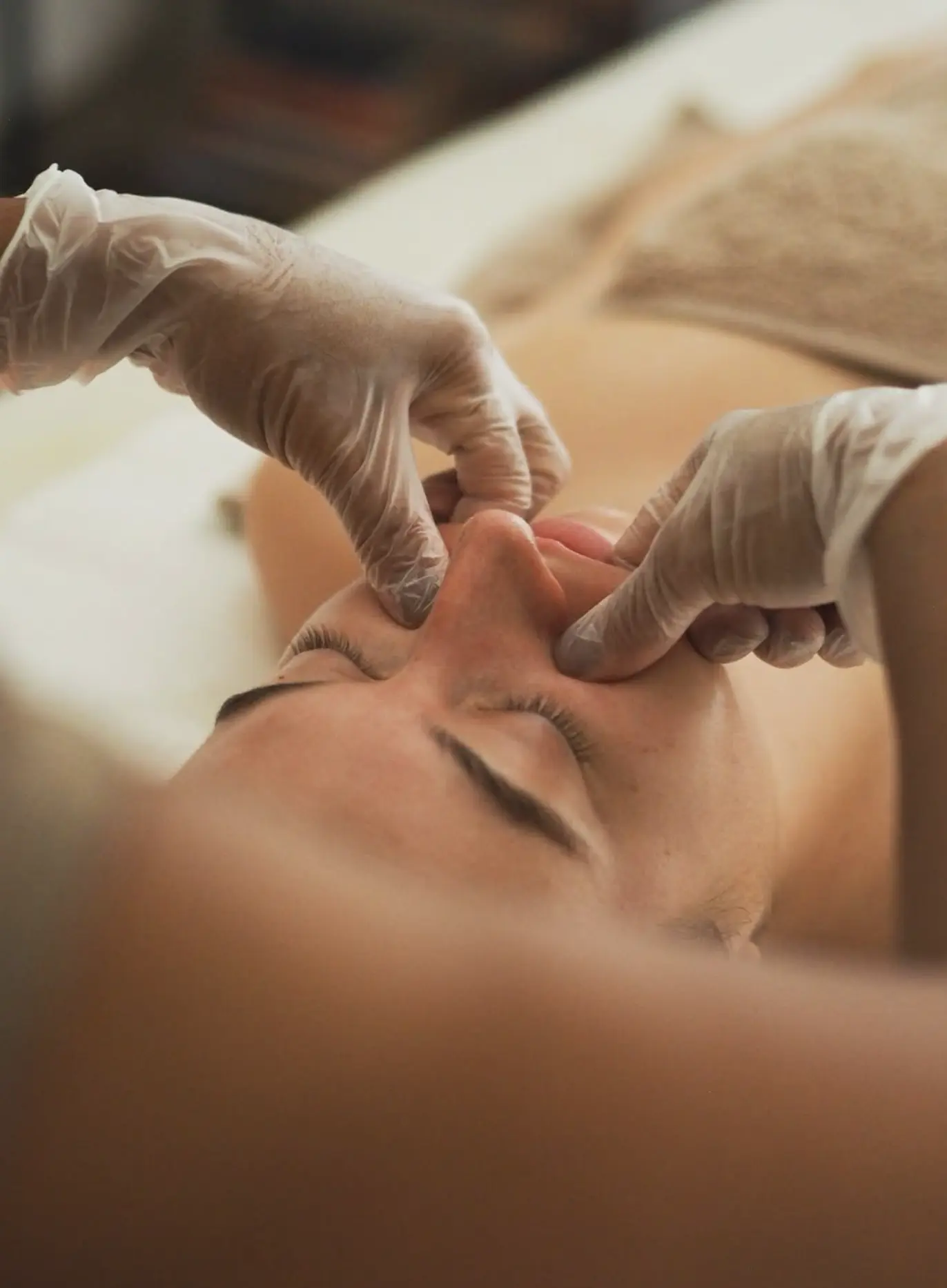
- Using my fingers, I gently massage around the teeth to release deep trigger points.
- Lastly, I do some gentle draining movements to help reduce excess inflammation.
A lot of times folks leave feeling a whole lot more relaxed – almost like they can feel a shift into this super relaxed state where all their stress just melts away – often way beyond just the jaw.
Your Treatment Timeline And When Relief Usually Appears
Because TMJ tightness is often the result of years of living with stress and bad sleeping habits – and sometimes even stuff that happened after a dental procedure – you’re gonna need a bit of a plan to work on unwinding all of that.
Buccal Massage Treatment Timeline For TMJ
| Time Frame | What You May Notice | Why It Happens |
|---|---|---|
| 1 session | Softer jaw, reduced facial puffiness, easier chewing | Initial tissue release and improved circulation |
| 3–4 sessions | Less clenching, better jaw mobility, fewer headaches | Muscles relearn relaxation; fascia becomes more pliable |
| 6–8 sessions | More balanced facial contours, steadier pain relief | Deep patterns release and inflammation decreases |
| Maintenance | Monthly sessions maintain progress | Prevents the recurrence of old muscular habits |
A 2026 Australian practitioner survey found that 76% of TMJ sufferers reported rapid symptom relief after just 3-5 sessions, consistent with my experience with my own clients.
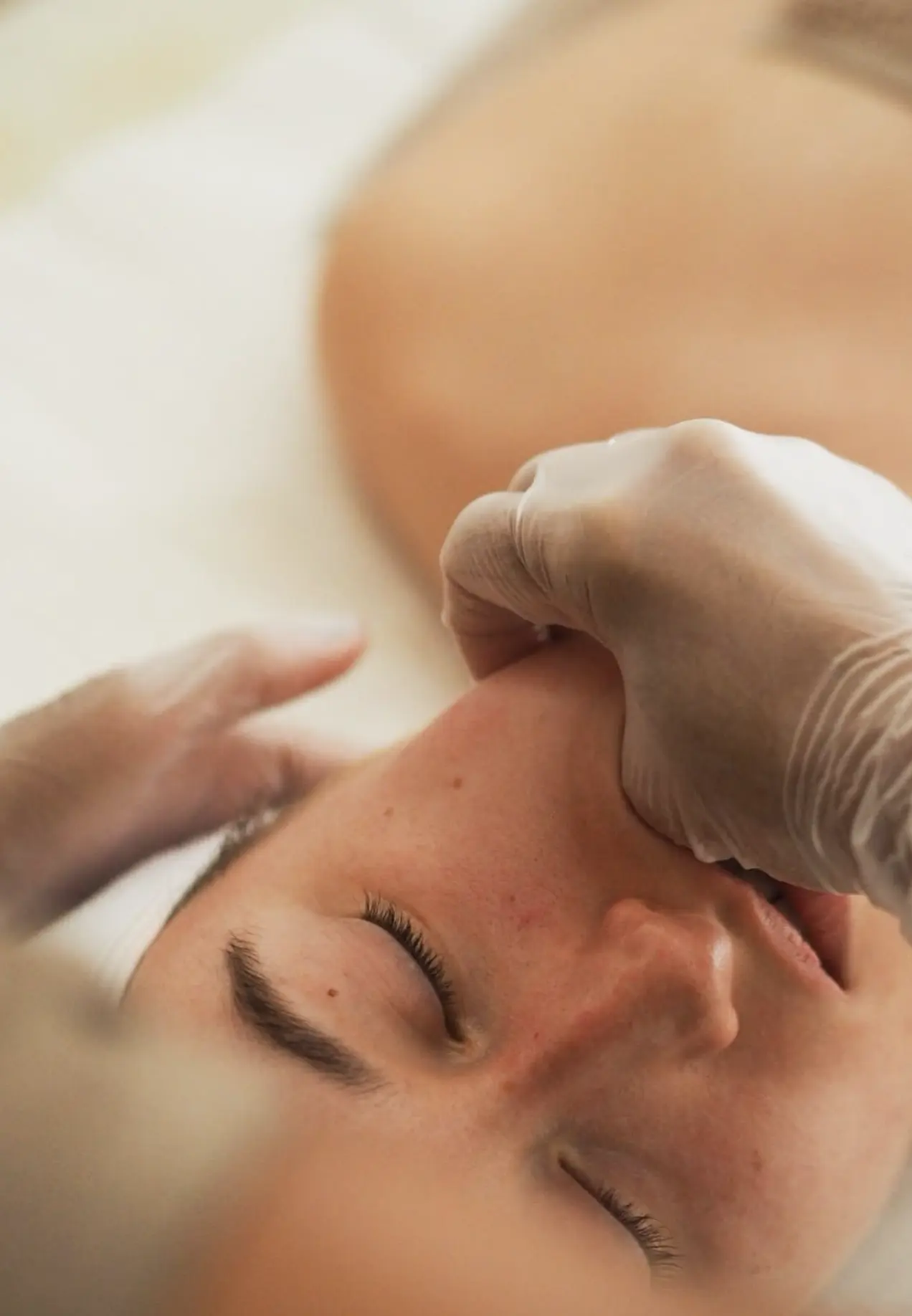
If your skin is feeling like it’s been put through a wringer & feels tight or dehydrated because of stress-clenching, combining TMJ work with a hydrating facial in Brisbane can actually give you a real boost – it will help support circulation, calm down that inflammation and make your overall treatment experience a lot more enjoyable.
The Science We Have — And The Science We Don’t
Now, while buccal massage isn’t a replacement for physical therapy or night guards, or anything like that, what we do have is some pretty solid evidence in favour of the following:
- Using trigger point therapy to cut back on neuromuscular overactivity
- Manual therapy helps to get your jaw moving again
- Massage can actually increase parasympathetic activity, which is pretty much just a fancy way of saying stress-reduction
- Lymphatic work helps reduce inflammation that happens when you’re tensed up all the time
We don’t yet have large, rigorous clinical trials specifically on intraoral massage and TMJs, but what we do have tells us a fair bit about how it works & why it can be useful.
Hygiene, Safety, And Who Should Avoid Massage
Because working inside your mouth is a delicate process, maintaining good oral hygiene is crucial. We use disposable gloves, thoroughly disinfect everything, and ensure the massage table is spotless & fresh for every client.
Avoid buccal work if you’ve got something going on, like:
- Active mouth ulcers or any kind of mouth infection
- Recent dental implants that still need time to heal
- You’ve recently had some cosmetic procedures like getting dermal fillers or polynucleotide treatments – give those a few weeks to settle down
- Any kind of tissue disorder that would interfere with healing
If you’ve just had a big cosmetic dentistry job, you might need to wait a bit before we can do any intraoral work – we’ll work out a safe timeline & stick to it.
Who Gets The Best Results?
Three groups really tend to get a lot out of buccal work:
- Strss clenchers
If you’re dealing with a lot of emotional stress or hormonal changes, you’ll probably start to feel the benefits pretty quickly. - People who grind their teeth at night
These clients often combine buccal work with a night guard from their dentist for the best results. - Clients with muscle imbalances
Overactive masseter muscles can warp your facial contours over time, and buccal work can help even things out, getting your cheeks & jaw balanced so they look and feel their best.
What About Pain During The Treatment?
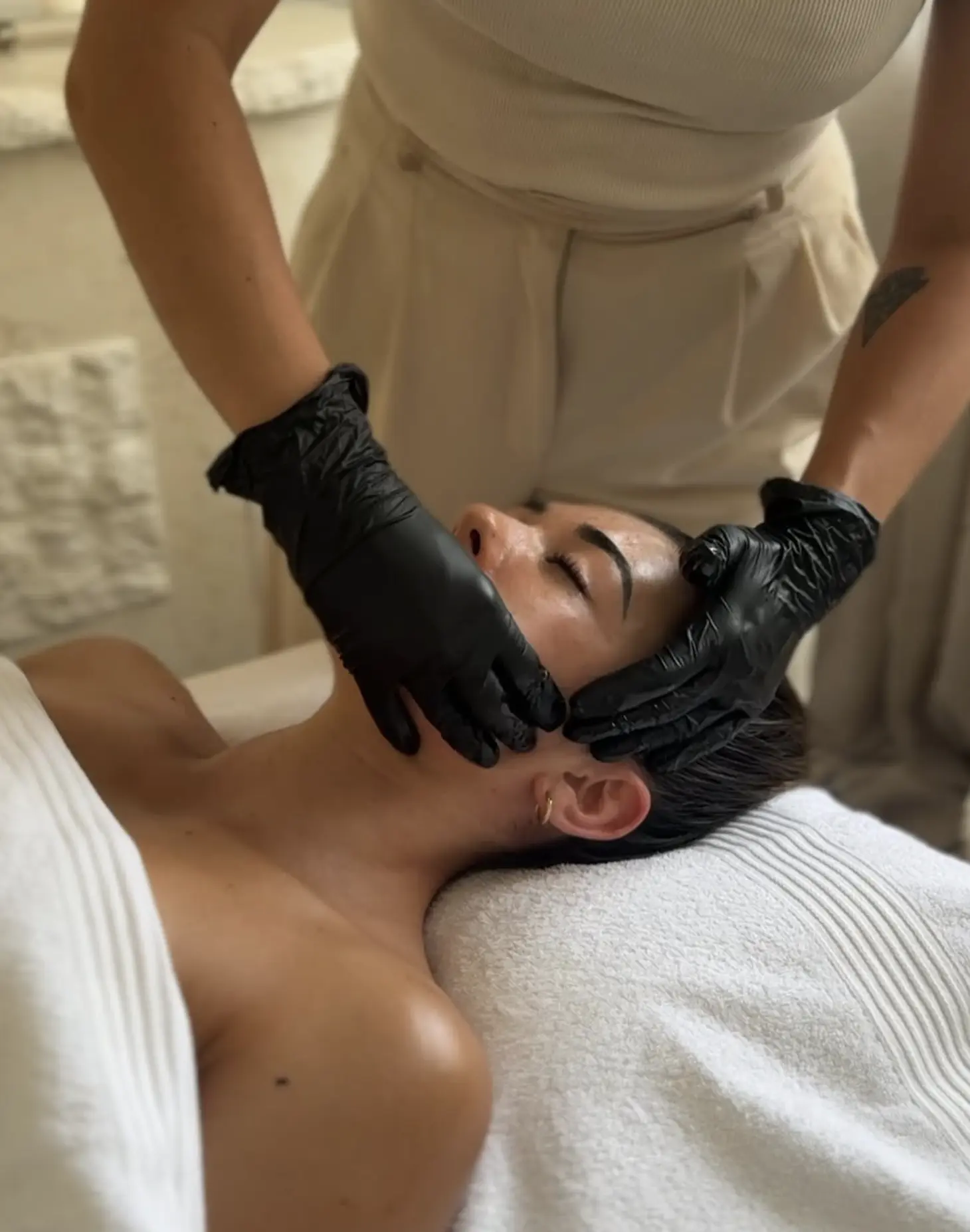
You should feel some pressure and a bit of tenderness, especially on trigger points that are pretty tight. But what you shouldn’t be feeling is sharp pain, or those weird electrical jolts, or burning sensations. When done right, pressure point therapy is a fairly gentle sort of firmness – a firmness that lets your muscles slowly and safely release.
A Quick Look At Pricing
In Brisbane, a buccal massage session typically costs $120 to $220, depending on duration and whether you add other treatments such as lymphatic drainage, sculpting, or a head-and-shoulders massage. Here at The Facial Hub in Brisbane, I like to work in buccal massage with some other holistic techniques – it really helps you relax, and get some structural release going too.
FAQ
Does buccal massage actually fix my jaw problems for good?
Well, it will definitely help with muscle tension – but it’s unlikely that you won’t still need to see a dentist or physio or whatever else you’re doing to manage your jaw long-term.
When can I start feeling some relief?
Some people feel it right away, while it takes a bit longer for the structural stuff to set in – that can take a few weeks.
Is it a no-go to do buccal massage at home?
Yeah, don’t do it – without proper training, you can easily end up over-stretching that delicate connective tissue or irritating some nerves in there.
Can it make me look better?
Yeah, it can. When you release all those overactive muscles, you might even notice your facial contours and symmetry looking a bit more balanced.
Will it make my headaches go away?
If your tension headaches are from clenching your jaw all the time, then absolutely – it can help a lot.