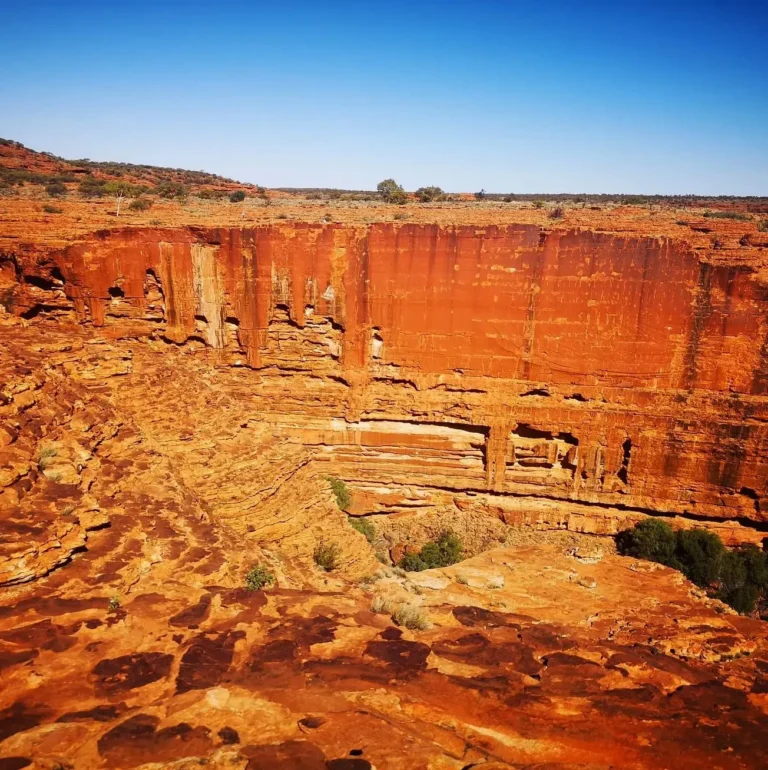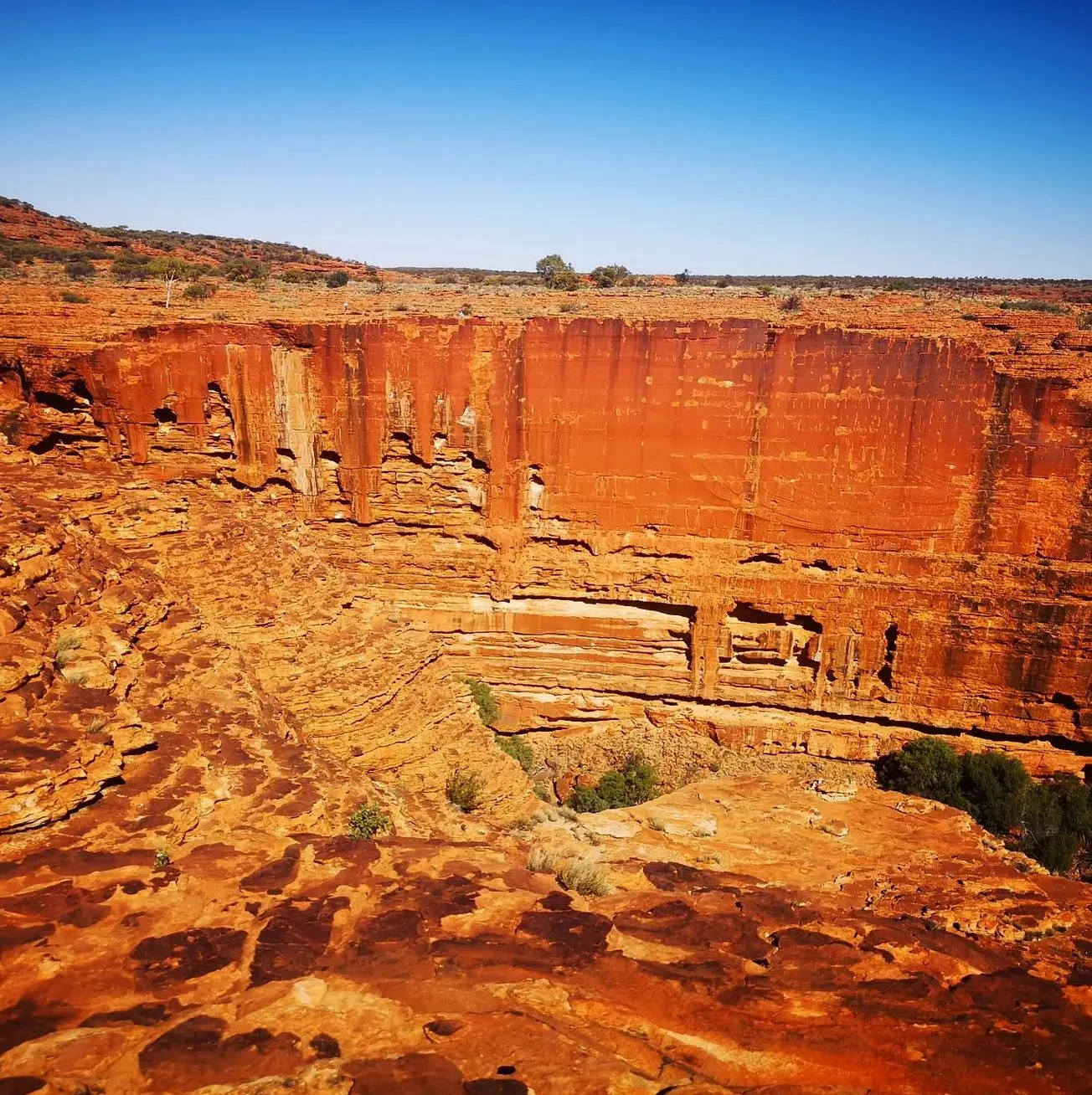
Kings Canyon in Watarrka National Park in the Northern Territory is a must-see for adventurers and nature lovers. The canyon has sandstone domes, rock domes and views that attract visitors from all over the world. The views, the canyon walls and the natural beauty make it a must-do. But as with any outdoor adventure, emergencies can happen. Whether it’s extreme weather, a medical issue or getting lost, preparation and quick thinking are key. Here’s a guide on how to handle emergencies in Kings Canyon.
1. Stay Calm and Assess the Situation
The first step in any emergency is to stay calm. Panic can cloud your judgment and make it harder to think clearly. Take a moment to assess the situation. Who in your group needs help now? Emergencies are more manageable when you have a clear head.
2. Call for Help
If you need professional help, call emergency services. In Australia, dial 000 for police, fire or ambulance. Mobile reception in remote areas like Kings Canyon can be patchy. Consider carrying a satellite phone or personal locator beacon (PLB) for emergencies. Emergency call boxes may also be available in some areas along the walking tracks. Being prepared with reliable communication tools is crucial in this desert landscape.
3. Provide First Aid
If someone is injured, administer first aid. Carry a fully stocked first aid kit with bandages, antiseptics, pain relief and a snakebite kit. Knowing basic first aid can be lifesaving, so consider taking a course before you head out. First aid knowledge can also help with dehydration and minor injuries that are common on hiking trails.
4. Stay Hydrated and Find a Shelter
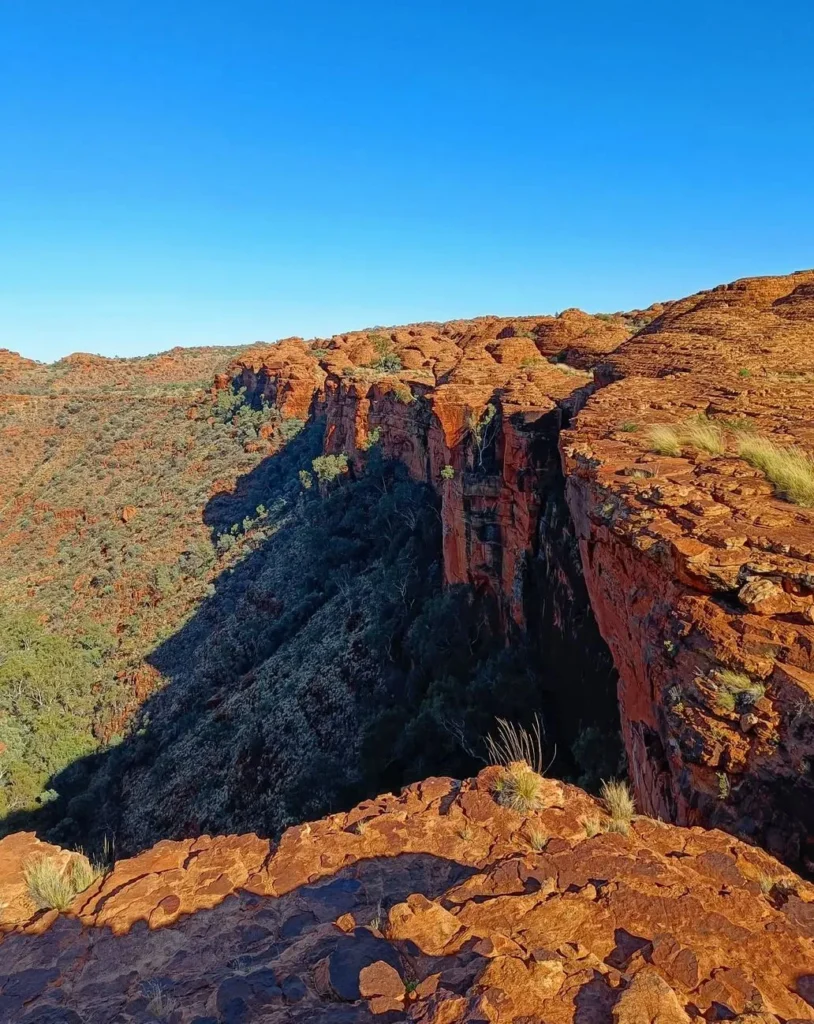
Kings Canyon can be very hot, especially in summer. Dehydration and heatstroke are common in this desert landscape. Always carry plenty of water (at least 3-4 litres per person) and find shade to protect yourself from the sun. Drinking water is essential to stay healthy and you should refill at natural waterholes or spring-fed waterholes when safe to do so. Use a thermal blanket to regulate your body temperature if needed.
5. Get Found
If you get lost or stranded, get visible. Wear bright colours, build a fire (if safe to do so), or use reflective material to get attention. Staying in one place makes it easier for search teams to find you. The desert plain and steep climbs in this area can be tricky to navigate so visibility is key.
6. Prepare Before You Go
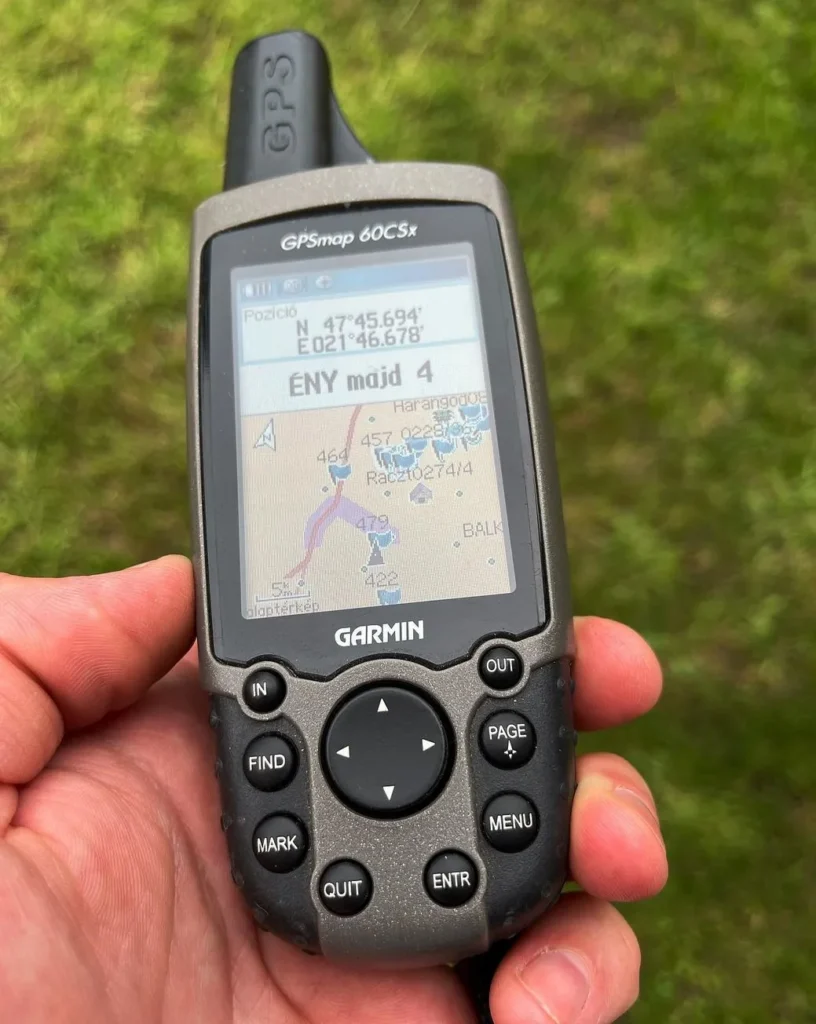
Preparation is the key to preventing emergencies. Before you go, research the area, tell someone your itinerary and check the weather forecast. Carry a map, compass or GPS, and make sure your phone is fully charged. If driving on an unsealed road or dirt road, make sure your vehicle is suitable for that. Booking accommodation in advance will make life easier.
7. Follow Park Rules
Watarrka National Park has safety information at the entrance and along the walking tracks. Read these and stick to the marked paths to reduce the risk of accidents. Avoid areas with steep climbs, vertical drops or unstable surfaces along the canyon walls. Park rangers are available to issue emergency alerts and guidance to keep visitors safe.
By being prepared and knowing what to do in an emergency you can navigate through them and have a safe and enjoyable trip to Kings Canyon. The natural beauty, pastoral history and cultural heritage of this area is special to its traditional owners, the Aboriginal people. Respecting their land, including sacred water sites and ancient Aboriginal cultures will add to your experience. Kings Canyon is not just a place of great views and domes but also a place of deep history and culture.
More Tips for a Safe Trip
- Hydrate: Always carry plenty of water and keep an eye on your intake, especially in summer. Drinking water regularly will prevent dehydration in the desert.
- Know the Climate: Visit in the cooler months for a more comfortable experience, hot months can be extreme. Be mindful of water temperatures in waterholes to avoid hypothermia or overheating.
- Respect the Indigenous Culture: Kings Canyon and the surrounding areas are of great importance to the Aboriginal people. Explore the Aboriginal sites and art sites with respect and learn about the Indigenous culture and history that makes this place so special.
- Plan Your Walks: Whether you’re walking the south wall or other parts of the canyon, stick to the designated walking trails and stock on trails where necessary. The scenery and sheltered areas make for great walks but staying on track is important.
- Consider a Guided Tour: For a more in-depth experience book a Kings Canyon Tour. Guides will give you insights into the natural beauty, dome formations and cultural heritage of the area and make your visit unforgettable.
By understanding the landscape and its challenges, including the ancient history and Aboriginal sites you can have a safe journey. Make sure to enjoy the views of the canyon walls, spring-fed waterholes, native plants and dome formations while respecting the Indigenous culture and sacred water sites. Kings Canyon’s walks, plants and views make it a destination like no other natural and cultural heritage.
FAQ
What should I bring for safety when visiting Kings Canyon?
First aid kit, plenty of water, map or GPS device, fully charged phone, personal locator beacon (PLB), sunscreen and appropriate clothing for the weather. Stock on trails as needed.
What is the emergency number in Australia?
000 for all emergency services including police, fire and ambulance. If you have no reception use a satellite phone or PLB. Emergency call boxes may be available at some locations.
Are there rangers on duty to assist in emergencies?
Yes, rangers are based at Watarrka National Park. They can help with emergencies and provide information. Visit the visitor centre for more.
What should I do if I encounter wildlife in an emergency?
Keep a safe distance from wildlife. Do not feed or provoke animals as this can lead to dangerous situations. Be cautious and prioritise your safety.
Is there mobile reception at Kings Canyon?
Mobile reception is limited in Kings Canyon and other remote areas. Bring a satellite phone or PLB for reliable communication in an emergency.