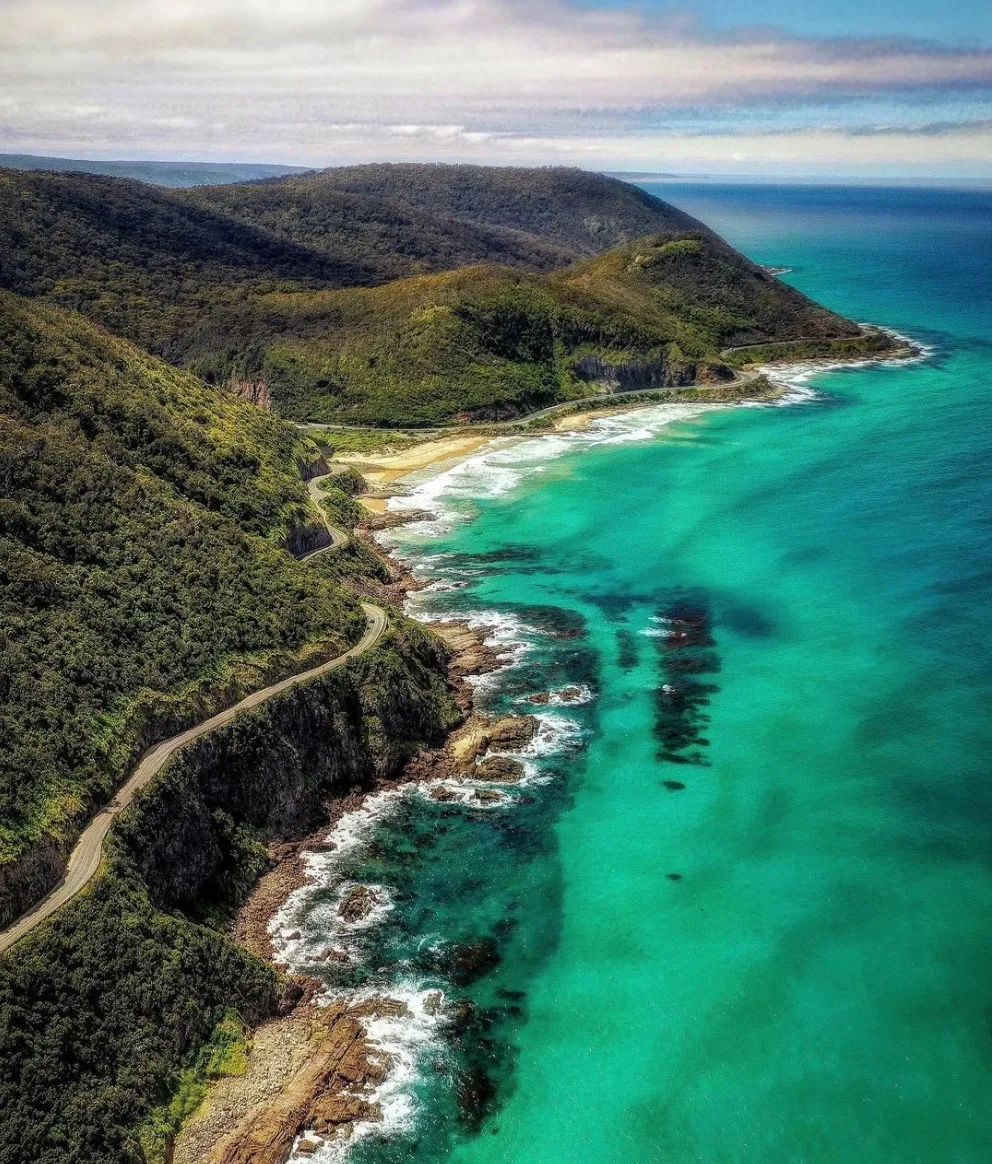
Victoria’s Great Ocean Road is a stunning coastal road that not only provides breathtaking views and picturesque landscapes but is also a bustling artery through the heart of one of the world’s oldest living cultures. This region is more than just a scenic drive; it is an enlightening cultural trip that unveils deep insights into the history and cultural traditions of its aboriginal communities who have lived there for tens of thousands of years.
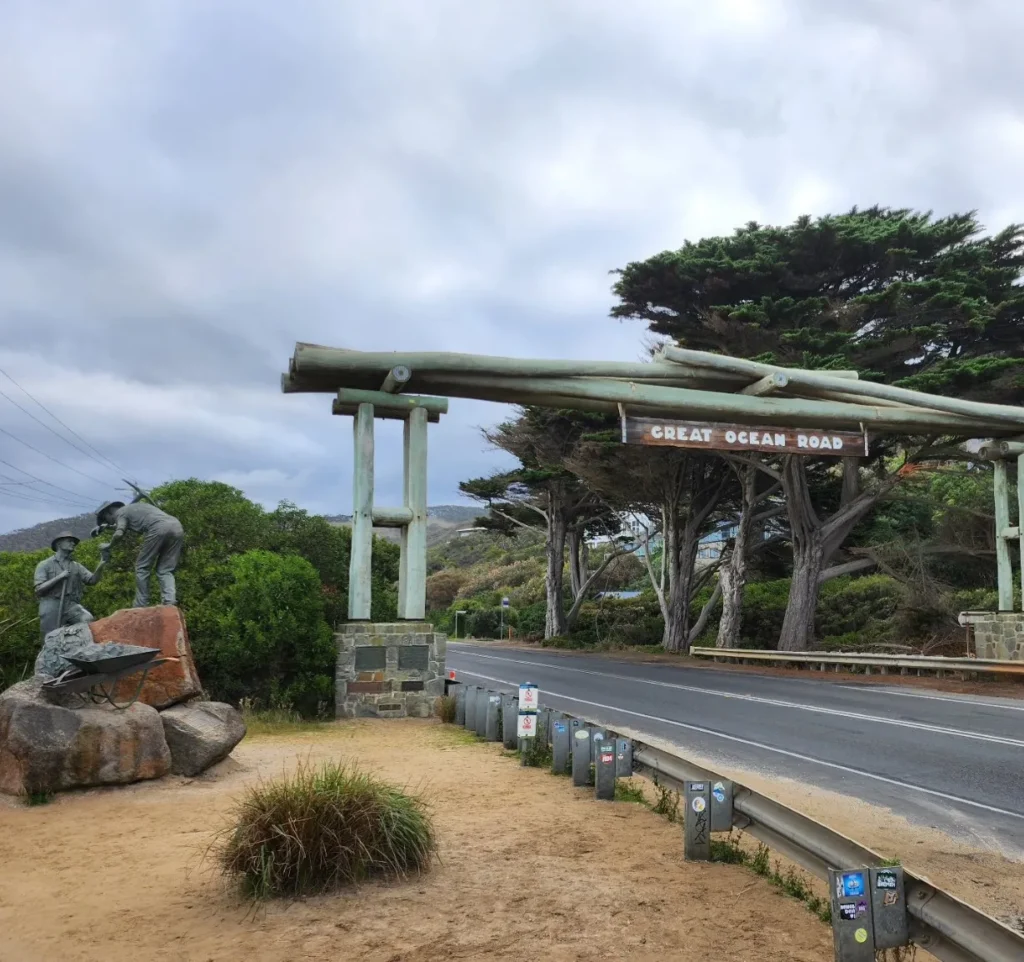
The Great Ocean Road region doesn’t stop at being a holiday snap backdrop but an environment infused with cultural values and ancient heritage left by its first indigenous inhabitants – Aborigines. Every curve on this road or stretch of sand has a story to tell about Indigenous people still alive among us today, surviving centuries of change and enriching Australian culture even now.
Early Settlements and Traditional Lands
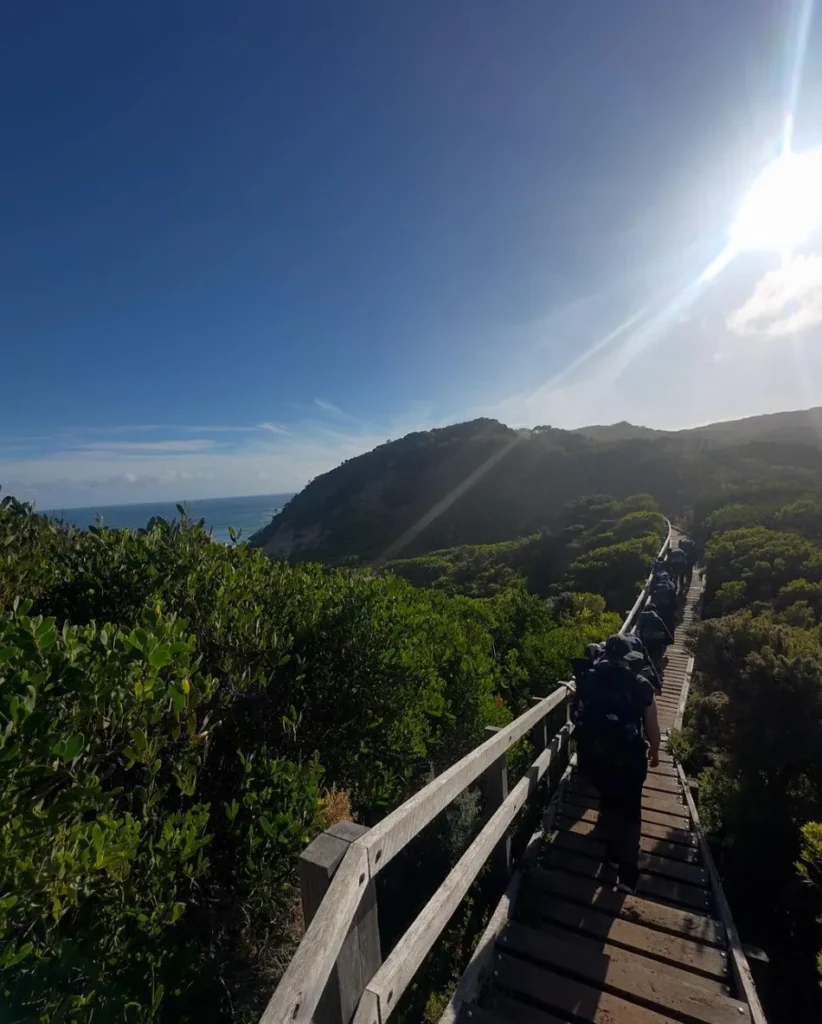
The history of Aboriginal people along the Great Ocean Road attests to their strong connection to the land. The land used to be made up by interwoven Aboriginal nations with different languages, customs, spiritualities before it was paved over. Among these were Wadawurrung Peoples, Eastern Maar etc., who lived alongside it happily from Cape Otway rainforests to Apollo Bay rugged coastlines.
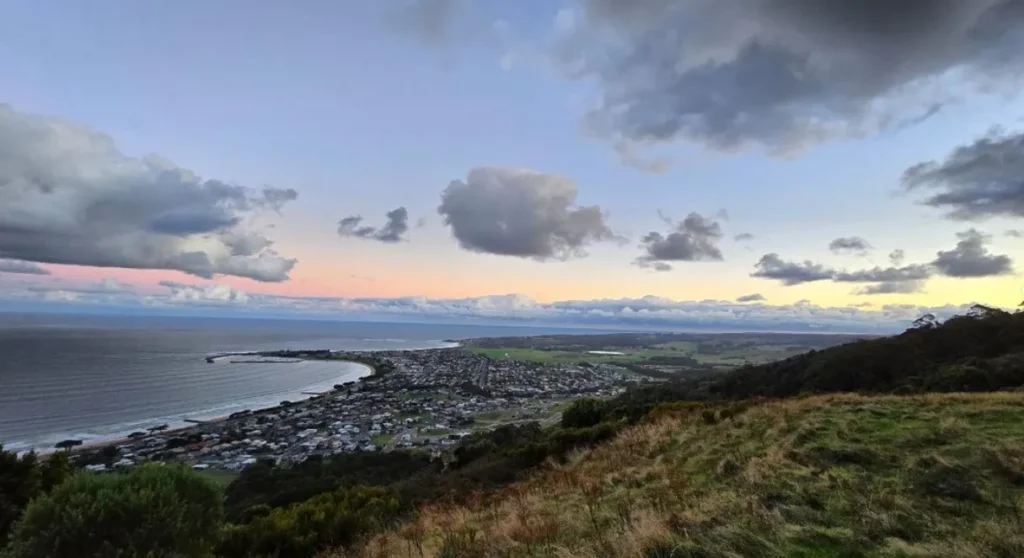
Aboriginal communities were custodians rather than mere residents of some of the Earth’s most diverse ecosystems. Their knowledge influenced it from controlled bushfires that promoted growth in certain plants species up to making stone artifacts found in coastal shell middens. These are tools, including axe heads, that give insight into a highly sophisticated culture that manages life skillfully in a constantly changing environment.
Colonization Effects
This moment signified far-reaching disruption on this long-standing equilibrium by European settlers’ arrival. The latter claimed aboriginal lands, and forced removals took place, usually resulting in adverse effects upon both individuals as well as their cultural heritage. Colonization did not only rob the aboriginals of their land but also destroyed cultural practices that sustained these societies over millennia.
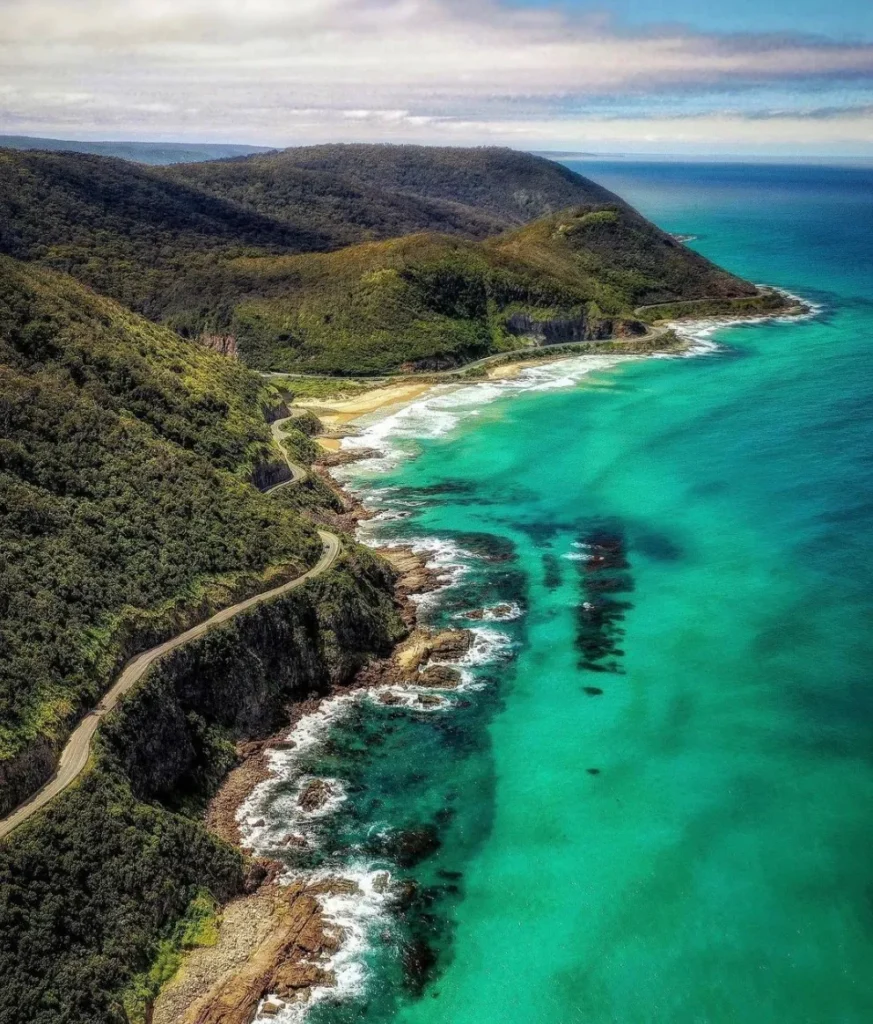
In response, Aboriginal communities have been struggling tirelessly to reclaim their heritage and rights thus making remarkable progress recently. Recognition of Aboriginal land rights, cultural rejuvenation initiatives or even the return of certain historic sites management to Aboriginal elders are all important strides towards healing and recovery. These undertakings underscore the resilience and continuing strength of Indigenous people as they assert their place in modern Australian society both as custodians of tradition and dynamic participants within it.
Aboriginal Cultural Sites
Great Ocean Road is dotted with significant Aboriginal cultural sites that provide both Indigenous and non-Indigenous visitors with rich understandings of the area’s vibrant cultural landscape. Here are a few highlights:
Tower Hill – at Worn Gundidj, located in an extinct volcano, provides a blend of natural and cultural history which is unique. It is managed by the local aboriginal community which means visitors can get to have a real experience of the indigenous culture by taking guided Great Ocean Road Reverse tour from well-trained guides. They tell stories revealing its significance as part of the lore for the local aborigines and also as a thriving ecosystem.
Narana Aboriginal Cultural Centre: This centre showcases Aboriginal culture through exhibitions on artefacts and art, and performances. Visitors can engage with Indigenous culture firsthand, learning about traditional dances, music, and art from knowledgeable community members.

In addition to these cultural experiences the breathtaking scenery along Great Ocean road affords uninterrupted views that enhance visitor experience fusing cultural enrichment with visual splendor. Each site not only educates but immerses visitors into living Aboriginal cultures allowing them to witness traditions continued over generations.
Table: Aboriginal Cultural Experiences Along Great Ocean Road
| Site Name | Experience Offered | Cultural Significance |
|---|---|---|
| Worn Gundidj at Tower Hill | Guided tours, wildlife encounters | Site of historical significance, managed by local community |
| Narana Aboriginal Cultural Centre | Art exhibits, performances, workshops | Hub for cultural preservation and education |
| Point Addis Koorie Cultural Walk | Scenic walks, interpretive signs | Offers insights into traditional uses of the land |

These experiences are essential for anyone seeking to understand fully the history and context of the Great Ocean Road. This reveals some aspects into what for many was one of earth’s oldest tribal cultures whose narrative complements rather than contradicts her natural beauty because it is indeed deep often sad story.
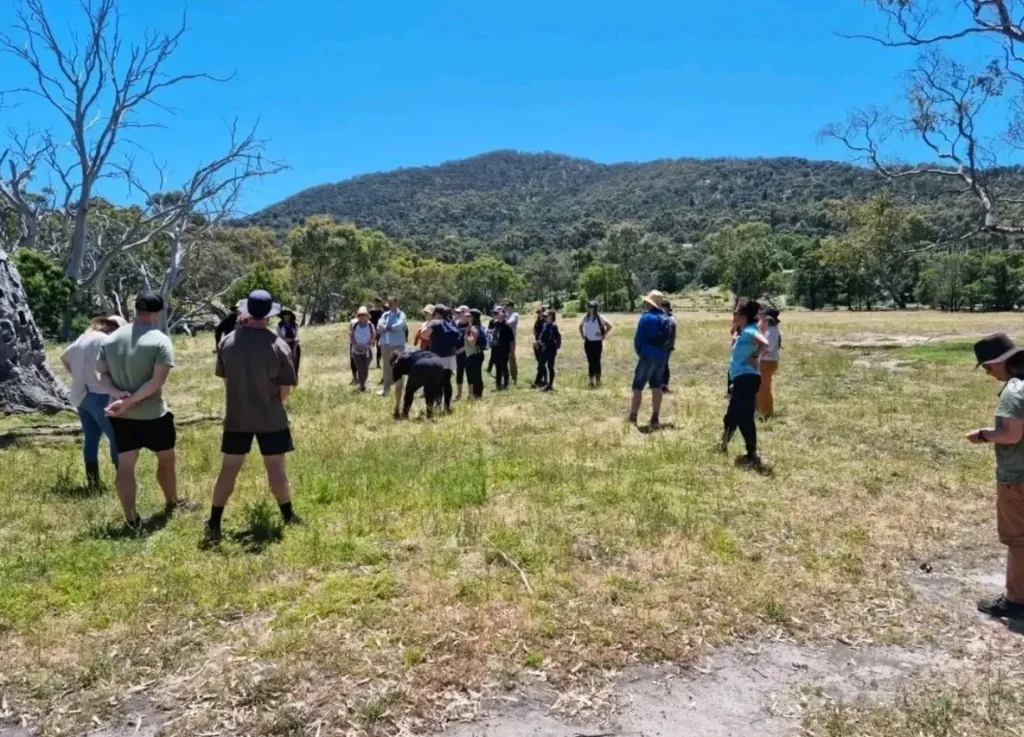
Continuing from the vibrant cultural tapestry woven along the Great Ocean Road, the Aboriginal heritage of the area extends into the realms of art, environmental conservation, and traditional practices that are as enlightening as they are essential to its identity.
Budj Bim National Park
Budj Bim National Park is a vivid reminder of the advanced indigenous knowledge and engineering skills through complex eel farming networks mainly because of their creation and usage. The ancient aquaculture systems that exist in this UNESCO World Heritage site among some other oldest ones around the world depict an advanced environmental management which was done many years ago long before there was any kind of modern conservation efforts. Therefore, Gunditjmara people constructed a network of channels, weirs and dams from volcanic rocks enabling them to collect eels for constant food supply by which they shaped their social states as well as economic environment.
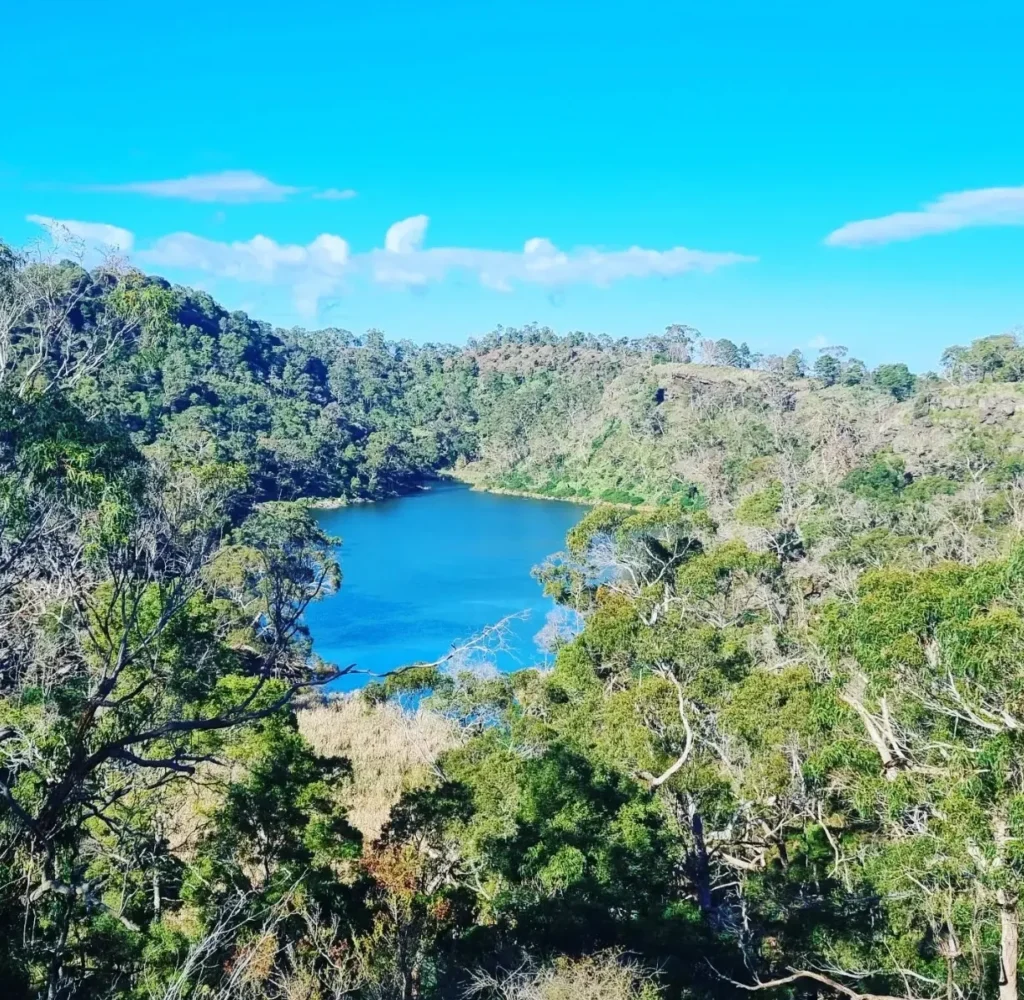
Visitors to Budj Bim gain a breathtaking insight into how Indigenous knowledge flora fauna and seasonal cycles led to flourishing culture situated around a dormant volcano. The site not only underscores originality of its inhabitants but also epitomizes their deep spiritual relationship with land seen in every aspect on its landscape right from lava flows all over to re-engineered waterways shaping the local ecosystem.
Aboriginal Art and Culture
There exists among the Aboriginal communities of the Great Ocean Road a rich tradition of art that can provide a glimpse into their innermost thoughts. For them, art is not just an aesthetic expression but a means of cultural preservation through which they link their past with their present through paintings, sculptures, and dances imbued with stories. Different galleries and cultural centers here, like Bunjilaka Aboriginal Cultural Centre, exhibit traditional and modern Aboriginal artworks that demonstrate the vitality and resilience of these communities.
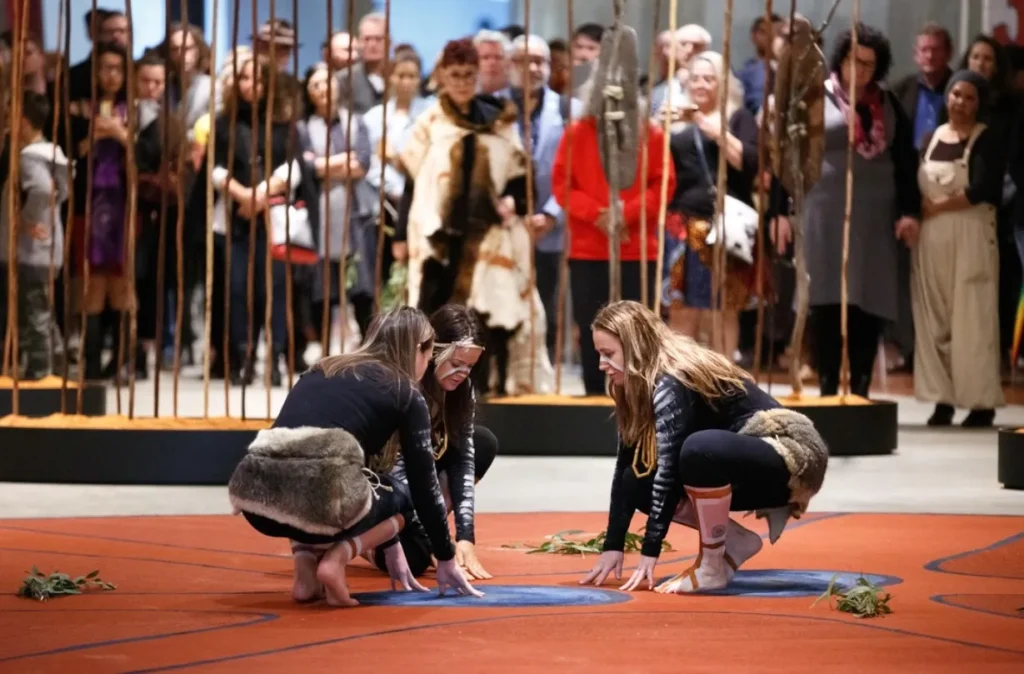
The typical themes in aboriginal artwork include flora and fauna forms from this region, spiritual stories from dreamtime as well day to day activities hence giving us an opportunity to see the world as indigenous people view it. However, these artistic expressions are not rigidly adhered to; they change along with time moving in line with current trends while remaining true to traditional modes of production being passed on through generations. This dynamism makes Aboriginal art one of the most vibrant instances of living culture.
Wildlife Conservation
The way Aboriginal people relate to their land represents a model for sustainable environmental management that goes far beyond sustainability in human terms only. The Indigenous communities in the area around Great Ocean Road have always understood deeply the relationship between human activity and nature. They demonstrate it in many ways, including burning practices where fire is used as a tool for caretaking bushland by promoting regrowth and maintenance of healthiness.
Conservation initiatives often incorporate indigenous knowledge systems into traditional practices alongside modern strategies for retaining local wild habitats and species. For instance, projects like Wild Life Wonders use ecological insight from Aboriginal clans towards re-establishing natural environments while reintroducing some species that were once absent within given places. Such endeavors not only conserve striking landscape areas or animal heritages but also maintain cultural heritage therefore preserving aborigines’ traditions associated with this country.
Aboriginal Walks
For those who would like to experience the cultural landscape of this place at first hand, a number of Aboriginal-led walks provide an in-depth understanding of the historical and contemporary significance of the land. These are not just walks as other walks like Point Addis Koorie Cultural Walk but an educative experience that is highly informative about aboriginal culture. Through knowledgeable aboriginal guides, one can acquire knowledge on use of plants for food and medicine as well as know about stories from past generations and important sites along their path.
These types of walks are invaluable for anyone seeking a complete understanding of Aboriginal heritage in this area. They offer immersive experiences where walkers are able to appreciate not only physical beauty but also spiritual and cultural relevance. This kind of direct involvement with the land and its myths distinguishes Indigenous encounters encountered by travelers on Great Ocean Road alone.
Conclusion
The Great Ocean Road is more than a picturesque journey; it is an ancient cultural corridor that unveils the insights of one of the earth’s oldest human societies. But it does not just run along the coast; rather, it cuts through the Aboriginal history that informs and enriches this stretch of road. In addition to heritage, culture, and natural beauty, the locale offers a combination of historical monuments, artistic expression, conservation initiatives and guided walks. It is essential as we travel through this breathtaking piece of landscape that we recognize and respect the ancient bond between aboriginal people and this land, which is an essential part of understanding both stories behind Great Ocean Road as well as Australia’s tapestry.
FAQ
What Is The Importance Of Great Ocean Road To Aboriginal Communities?
Great Ocean Road is important to aboriginal communities because it passes through traditional lands where they have occupied for thousands of years. By itself, the track which surrounds are historically rich with cultural sites significant to local indigenous peoples’ identity and heritage.
How Can Tourists Respectfully Visit Aboriginal Sites?
Respectful visitations by tourists can be achieved by:
- Abiding by all rules set around these locations, which will be given once you visit there.
- Avoid contacts with or removal any items from them.
- Avoid trespassing on sacred places by adhering to marked pathways.
- Listening attentively and respecting tour guides who tell stories about such places during visits.
- Support existing businesses or social activities involving aborigines here.
What Are Some Must-See Aboriginal Cultural Sites Along The Great Ocean Road?
Must-see Aboriginal cultural sites along the Great Ocean Road include:
- Budj Bim National Park
- Tower Hill Wildlife Reserve
- Narana Aboriginal Cultural Centre
- Brambuk: The National Park & Cultural Centre
- Worn Gundidj at Tower Hill
How Is Aboriginal History Preserved In The Region?
Preservation of aboriginal history occurs through various means like cultural centers that educate the public, heritage sites legally protected and managed jointly with aboriginal communities as well as laws safeguarding significant areas. Besides, many Aboriginal guides and educators work to share and maintain the stories and traditions of their ancestors.
How Can One Learn More About The Aboriginal Culture Before Visiting?
- To learn more about aboriginal culture prior to visiting,
- One can visit websites that offer information on Aboriginal history and culture.
- One may read recommended books or watch recommended documentaries from cultural centers.
- One can join online platforms or social media groups that discuss Indigenous Australian history.
- One can participate in cultural 2 day Great Ocean Road tour or talks offered by Aboriginal guides.
- One can also visit a museum displaying local art crafts and artifacts.