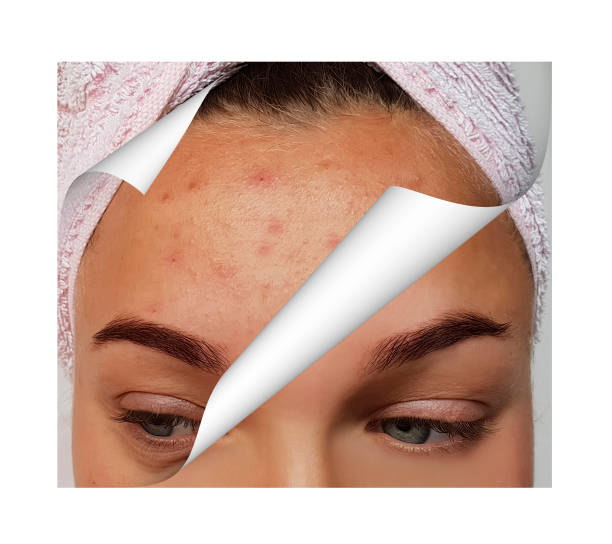
Have you ever gazed into the mirror and noticed those pesky reminders of past breakouts? Acne scars can be more than just a reminder of our adolescent years; they can also be a blow to our self-confidence. Before diving deep into the world of skincare treatments, let’s first understand what acne scars are and what causes them.
What are acne scars?
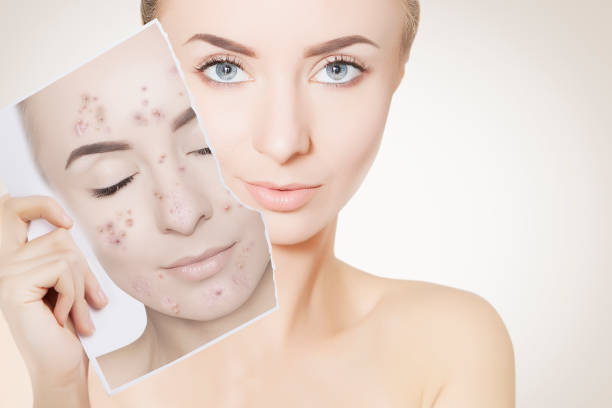
Acne scars result from the body’s natural healing process following skin inflammation. When the skin suffers from breakouts, the aftermath can often be a deep or shallow indentation or discoloration, known as acne scars. Different types of acne scars exist, from ice pick and boxcar scars to rolling scars, and each can present its challenges.
Common causes of acne scars
- Picking or squeezing pimples: We’ve all been guilty of this at one point or another. Manipulating acne lesions can lead to deeper infections and increased inflammation, making scarring more likely.
- Severe acne types: Nodular and cystic acne, which delve deeper into the skin, are more likely to leave scars than milder forms.
- Delayed treatment: The longer acne remains untreated, the higher the chance of scars forming. Early intervention is key to reducing scar risks.
Understanding Microdermabrasion
With advancements in skincare technology, various treatments have surfaced, claiming to be the ‘holy grail’ for acne scars. One such method is microdermabrasion. But what is it, and how does it function?
What is microdermabrasion?
Microdermabrasion is a minimally invasive procedure designed to renew overall skin tone and texture. It can treat a range of skin concerns, including acne scars, sun damage, and wrinkles. During the procedure, a special applicator with an abrasive surface is used to gently sand away the outer layer of skin, rejuvenating it.
How does microdermabrasion work?
The concept behind microdermabrasion is simple: remove the stratum corneum, or the topmost layer of the skin, and the body interprets it as a minor injury. This prompts the body to replace the lost skin cells with new, healthy ones. Over time and with repeated treatments, the skin appears smoother, and imperfections like scars become less noticeable.
| Benefits | Considerations |
|---|---|
| Non-invasive | Might require multiple sessions |
| Immediate results | Temporary redness and sensitivity |
| Enhances skin absorption (good for topical treatments) | Not effective for deeper scars |
Potential side effects and considerations
While microdermabrasion is generally safe, it’s not devoid of side effects. Some people might experience temporary redness, swelling, and sensitivity. Additionally, the treatment might not be as effective for deeper scars or on individuals with darker skin tones due to the risk of discoloration.
Diving Deep into Microneedling
In our continuous quest for flawless skin, microneedling has emerged as another popular solution for those battling with acne scars. But is it the knight in shining armor many claim it to be?
What is microneedling?
Microneedling, often referred to as collagen induction therapy, involves using fine needles to create hundreds of tiny, invisible puncture wounds in the top layer of skin. Though this might sound terrifying, it’s a minimally invasive treatment with the potential to produce transformative results. These micro-injuries stimulate the body’s natural wound healing processes, resulting in increased collagen and elastin production.
How does microneedling treat acne scars?
The magic behind microneedling lies in its ability to promote collagen growth. Acne scars, particularly those with indentations, benefit from this collagen boost as it helps in ‘plumping up’ the skin. Over a series of sessions, scars begin to fade, and the skin texture improves, providing a smoother appearance.
Benefits of microneedling for acne scars
- Natural Results: Since microneedling leverages the body’s healing process, the results look natural and are long-lasting.
- Flexibility: Microneedling can target scars at various depths, making it versatile for different scar types.
- Other Skin Benefits: Apart from scar reduction, microneedling can also reduce pore size, treat wrinkles, and improve skin texture.
Possible side effects and what to expect
Like all treatments, microneedling is not without potential drawbacks. Common side effects include redness, swelling, and minor bruising. While complications are rare, there’s a possibility of infection if the procedure isn’t performed under sterile conditions. Also, for those with a fear of needles, the idea of multiple pricks, albeit tiny, might be daunting.
Comparing Microdermabrasion and Microneedling
Now that we’re armed with information about both procedures, let’s dive into a comparison to help determine the best option for acne scars.
Effectiveness and results
Both treatments offer unique advantages. While microdermabrasion provides immediate skin refreshment, its impact on deeper scars can be minimal. Microneedling, on the other hand, can address deeper scars with its collagen-boosting ability, but requires patience for the best results.
Safety and side effect profile
Both procedures are relatively safe when performed by trained professionals. However, the after-effects differ. Microdermabrasion might result in temporary redness, while microneedling can cause more pronounced redness and potential swelling. It’s essential to follow post-care instructions diligently for both.
Cost and accessibility
In general, microneedling tends to be pricier than microdermabrasion. However, prices vary based on the practitioner’s expertise, geographical location, and the number of sessions required. It’s crucial to balance cost with quality to ensure safe and effective treatment.
Conclusion: Making the Best Choice for Your Skin
The journey to clear skin is deeply personal. While both treatments have their merits, the best choice often depends on individual skin type, scar severity, and desired results. Always consult with a dermatologist before making a decision. Remember, informed decisions pave the way to radiant skin!
FAQs
- How often can I undergo microdermabrasion or microneedling? For microdermabrasion, sessions can be spaced every 2-4 weeks. Microneedling generally requires a longer gap of 4-6 weeks between sessions to allow the skin to heal and produce collagen.
- Are these treatments painful? Microdermabrasion is often described as feeling like a “”cat’s tongue”” on the skin – slightly abrasive but not painful. Microneedling, though it involves needles, is usually done after applying a numbing cream, making the process more comfortable.
- Can I do these treatments at home? While there are at-home kits available for both procedures, it’s recommended to get treatments from a professional. This ensures the procedure is performed correctly and reduces the risk of complications.
- How long do the results last? The longevity of results varies. Microdermabrasion may require regular sessions to maintain results, while the effects of microneedling can last longer due to increased collagen production.
- Are there any individuals who should avoid these treatments? Yes. Those with active skin infections, certain types of acne, or are pregnant should consult a dermatologist before considering either treatment.